Looking for a better deal on your insurance? Get a quote
Become a registered trader - Join us


Carpentry & Joinery

Tips and advice on bespoke woodwork, fitted furniture, doors, staircases and interior joinery.

Looking for more carpentry & joinery advice?

Common carpentry questions including materials, custom work and installation.

  • What types of carpentry work should never be attempted as a DIY project?

    Anything structural - staircases, roof timbers, load-bearing walls, lintels. And anything that needs to meet Building Regulations, like fire doors or stair balustrading.

    Getting structural carpentry wrong isn't just a cosmetic problem - it can affect how safe your home is. Worth paying for a professional who knows what they're doing.

  • Can a carpenter fix a door that won't close properly?

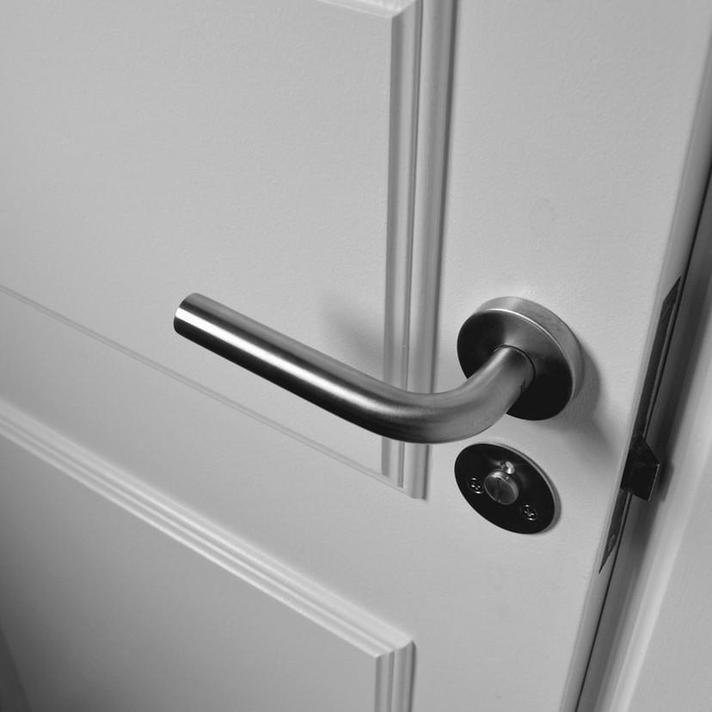
    Yes, and it's a very common call-out. Doors that stick, drop, or won't latch are usually down to one of three things: swelling from moisture, hinges that have worked loose, or the frame moving slightly as the building settles.

    Most of the time it's a straightforward fix. If several doors in the house are playing up at once, it might point to something structural - worth flagging when you get someone in.

  • Do I need a professional to install a staircase or banister?

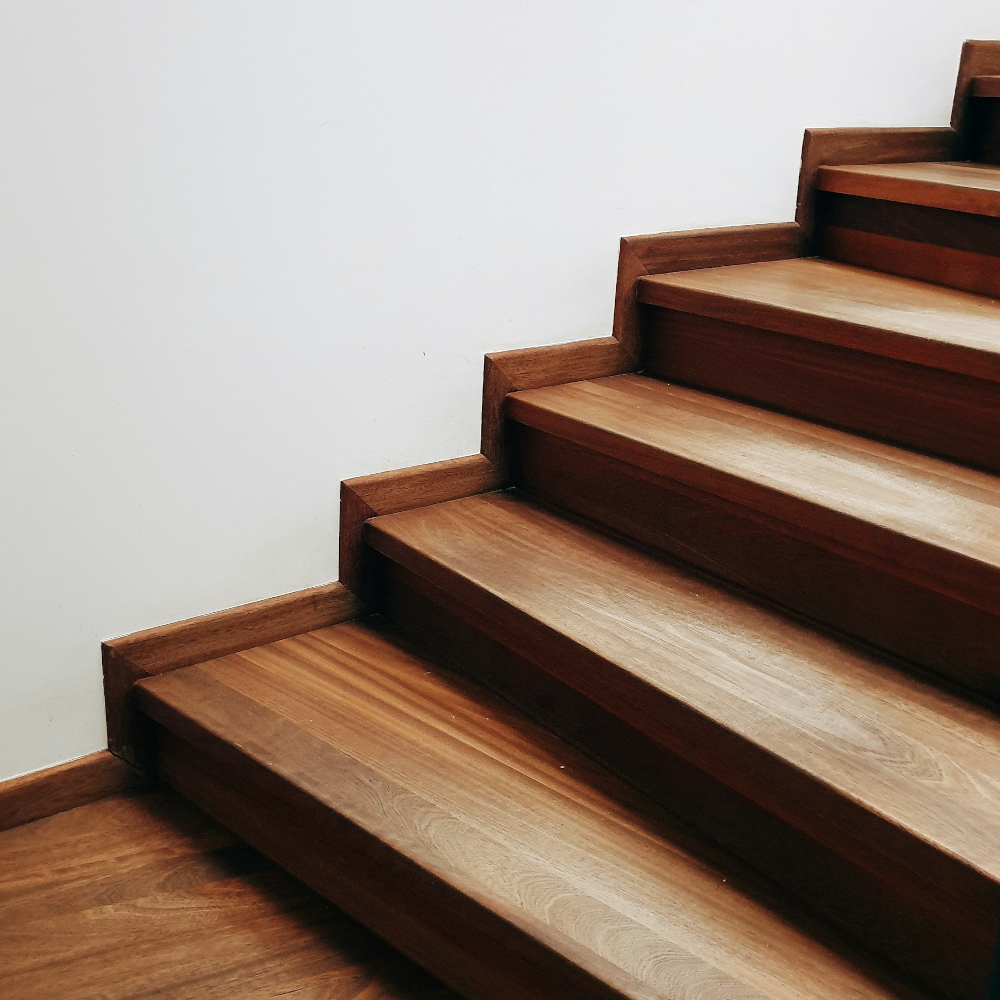
    Yes. Staircase and banister installation has to meet Part K of the Building Regulations - covering handrail height, baluster spacing, and stair pitch.

    A badly installed staircase or banister is a real safety risk. A qualified carpenter or joiner will make sure it's both structurally sound and compliant.

  • How do I know if a wooden window frame needs repairing or replacing?

    Repair is usually still an option if the frame is structurally sound (no soft or spongy patches when you press it), the rot is only on the surface or in a small section, and the joints are still tight. Surface rot can often be cut back, hardened, and filled with epoxy filler - a good carpenter can make it look like new.

    If the rot goes deep, the frame is badly warped, or the joints have failed, replacement is the more cost-effective route.

  • What causes wooden floors or staircases to creak and can it be fixed?

    Creaks come from movement - boards or treads rubbing against each other, against fixings, or against the structure beneath them as they flex underfoot. It often happens as boards expand or contract with changes in humidity.

    In many cases, screwing things down more firmly or applying a lubricant between moving parts sorts it. If the creak covers a wide area or keeps coming back, a carpenter should take a proper look.

  • What are the benefits of bespoke fitted furniture over flat-pack?

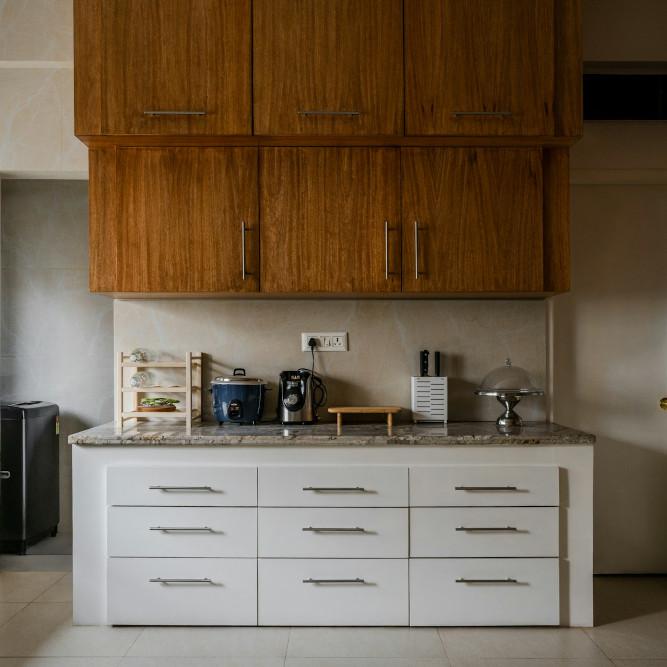
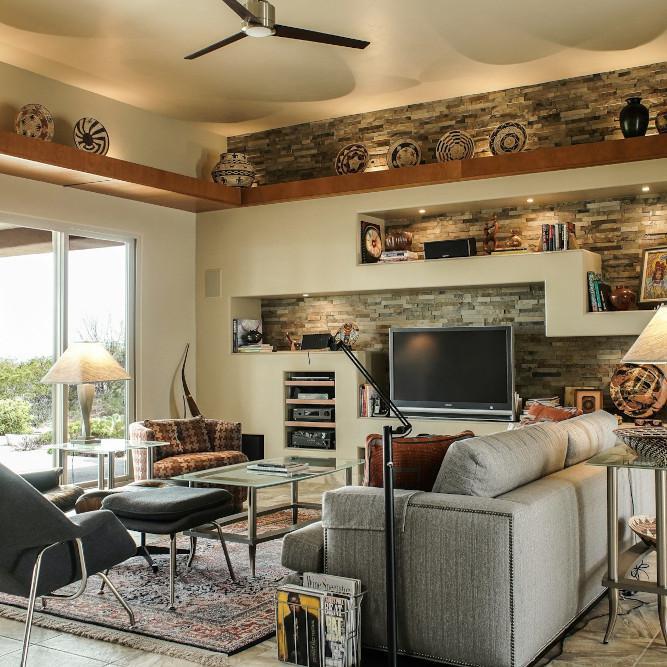
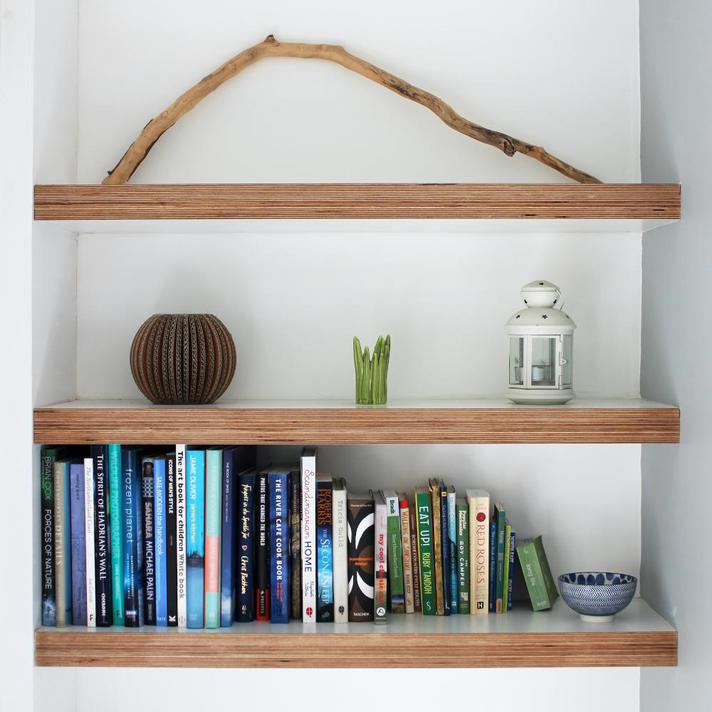
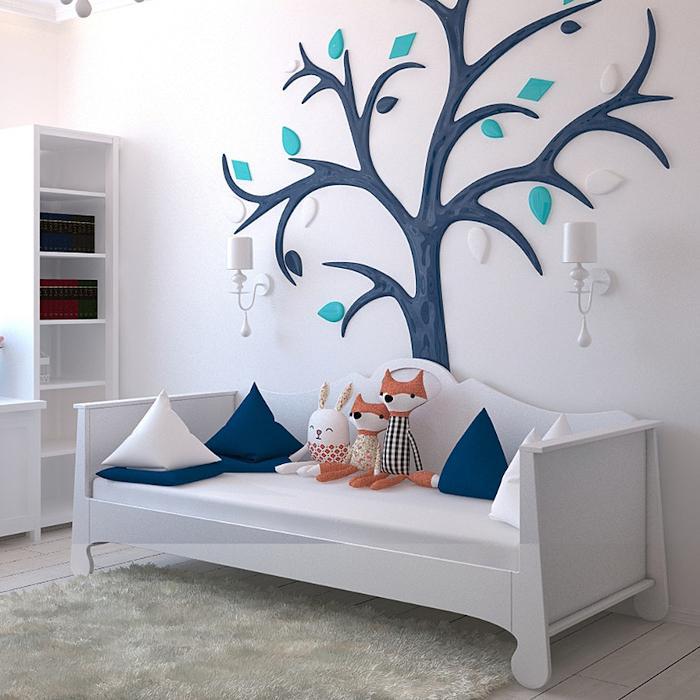
    The main one is fit. Bespoke is built exactly to your space - and in older UK homes especially, that matters. Sloping ceilings, alcoves, chimney breasts, walls that aren't quite square - flat-pack units run into all of these and often end up with awkward filler panels and gaps.

    Bespoke joinery is also generally more solidly built and lasts longer. It costs more and takes longer, but for fitted storage in a room with character, it's usually the right investment.

  • Can a carpenter repair rotting timber or structural woodwork?

    Yes - it's a core part of the job. Surface rot can often be cut back, treated, and filled with epoxy filler that can be shaped, sanded, and painted to match the surrounding wood. Deeper rot in structural timber - joists, window sills, roof timbers - usually means partial or full replacement of that section.

    The important thing is also fixing whatever caused the moisture problem in the first place. Repairing the wood without sorting the damp is just delaying the same issue.

Have a question about TrustATrader?

If you have a question in relation to TrustATrader specifically, please check out the TrustATrader FAQs, with separate lists tailored to consumers and tradespeople. Alternatively, get in touch with our team. We're happy to help!