Don’t Replace It, Repair It: Your Guide To Professional Carpet Repairs Near Me
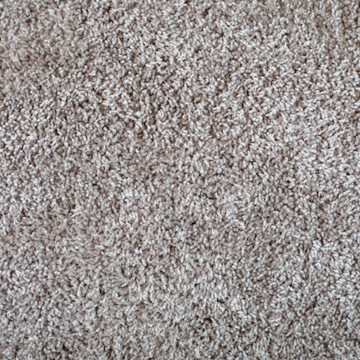
Whether it’s a persistent puppy with a habit for digging or a stubborn stain, a damaged carpet can leave a room feeling messy.
Expert advice on hardwood, laminate, carpet and other flooring solutions for homes.
Whether it’s a persistent puppy with a habit for digging or a stubborn stain, a damaged carpet can leave a room feeling messy.
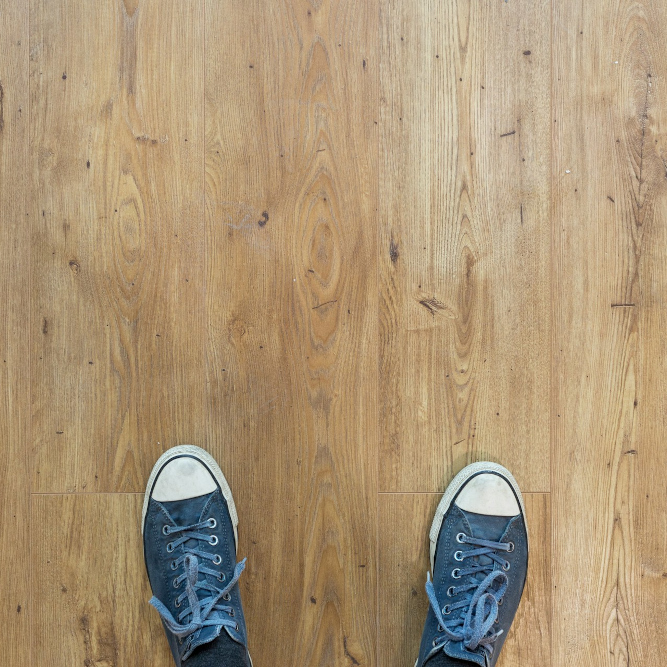
The hallway is one of the hardest-working areas of any family home. It’s the first space you step into, the last you leave, and takes the brunt of muddy shoes, school bags, pets, pushchairs and heavy footfall. Choosing the right floor covering for your hallway is therefore essential, as it needs to be durable, easy to clean, safe, and stylish enough to make a good first impression.
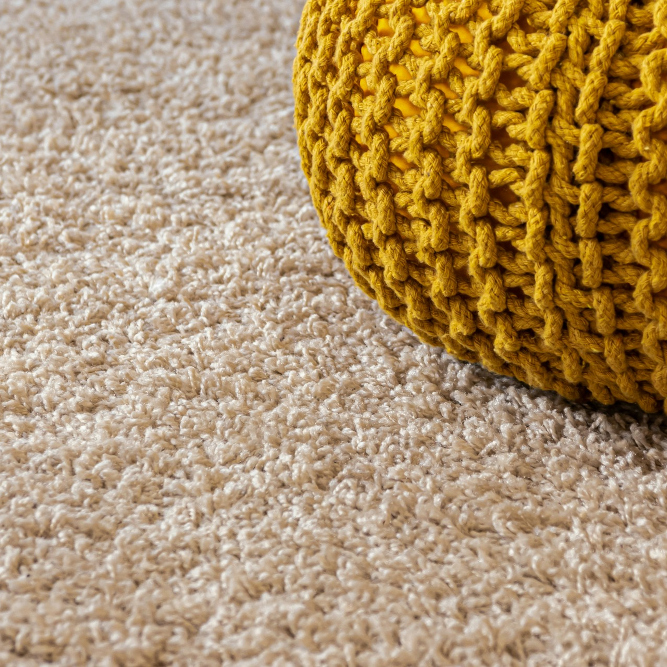
New carpet is one of those essential household refurbishments that homeowners tend to go through every ten years or so. It can be a serious investment, so when you invest in a carpet, you want to make sure that it looks great, is properly fitted, and will last for at least a decade.
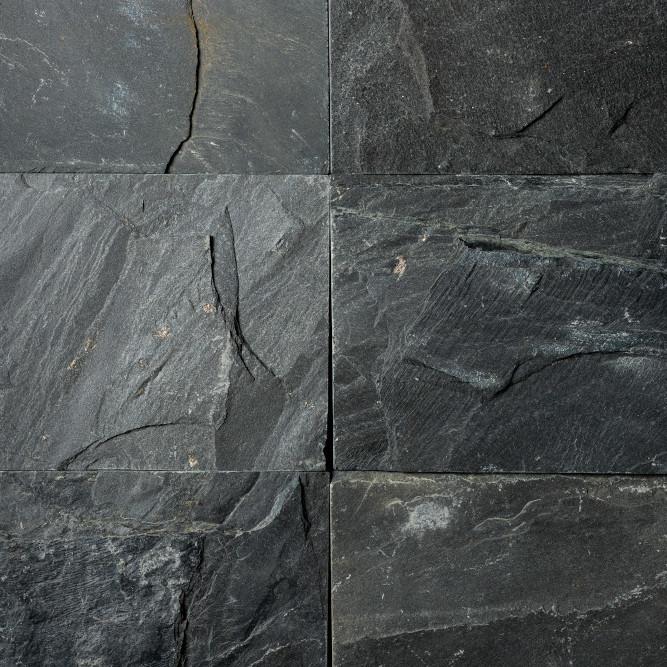
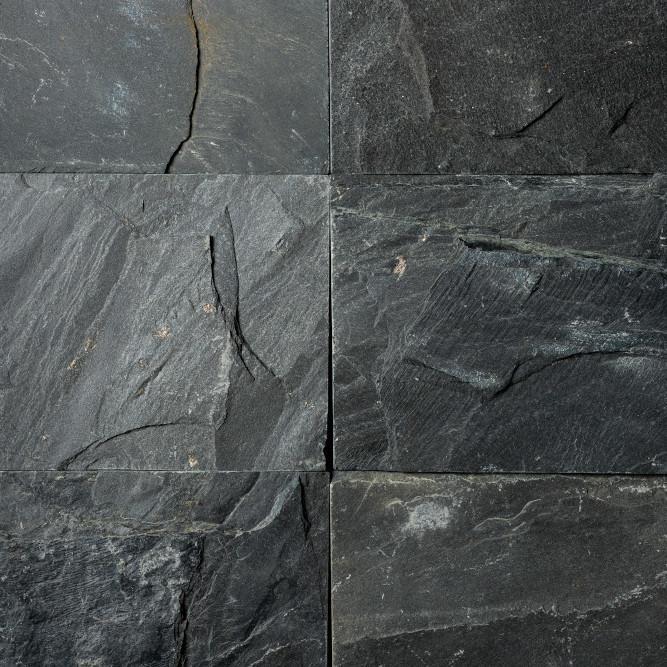
Slate is incredibly hard wearing, therefore makes great flooring in high traffic areas such as hallways and kitchens. However, slate can also be difficult to keep clean, particularly if you opted for a rough finish that looks rustic, but seems to collect dust.
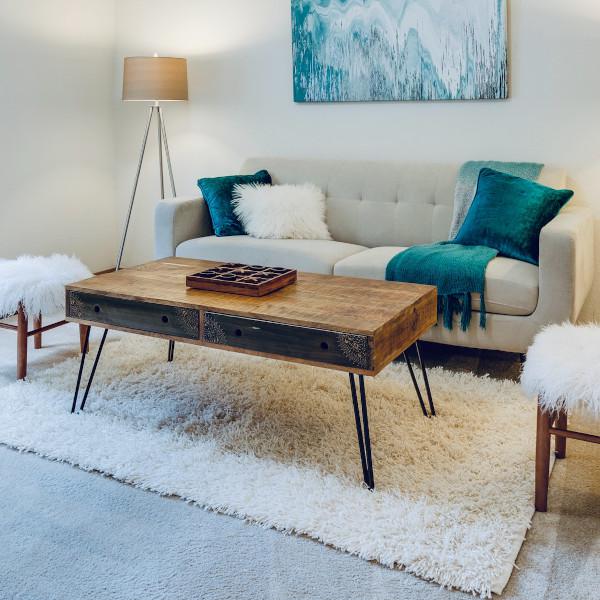
This week, we look at how you can tackle those really stubborn carpet stains; the ones you barely notice any more as you have simply learnt to live with them.
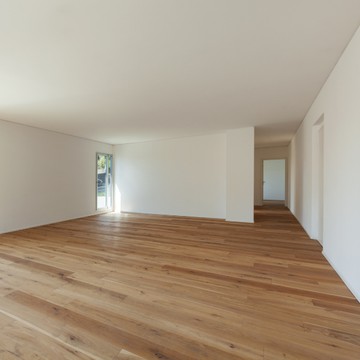
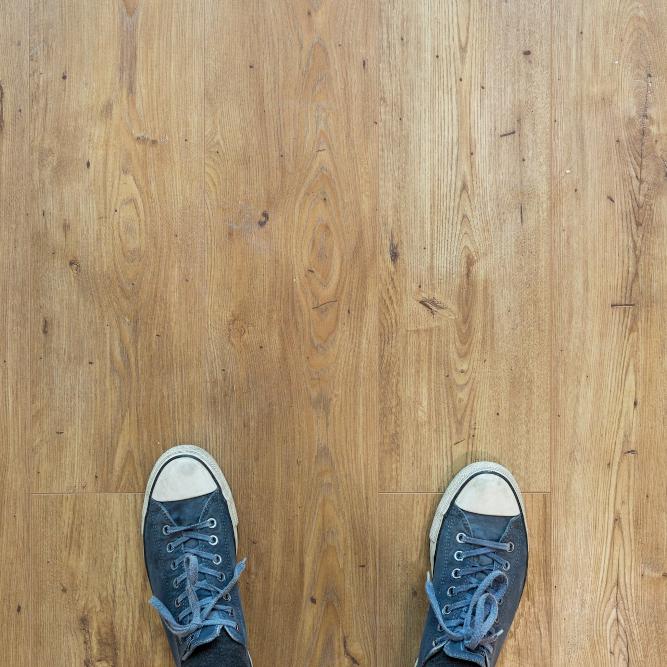
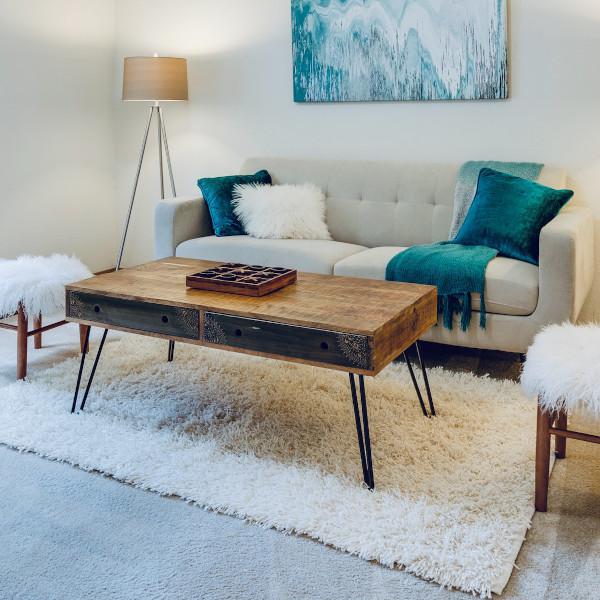
This week, we look at how you can tackle those really stubborn carpet stains; the ones you barely notice any more as you have simply learnt to live with them.

A deep clean of your carpet is a great way to pep up a room. In this series, we take a look at some top carpet cleaning tips from the professionals.

This week, we take a closer look at how you can save a little bit of money during the process of choosing and buying a new carpet for your home.

Before you invest in a new carpet, it is a good idea to do some research so that you can make an informed decision about what will be best for your home.

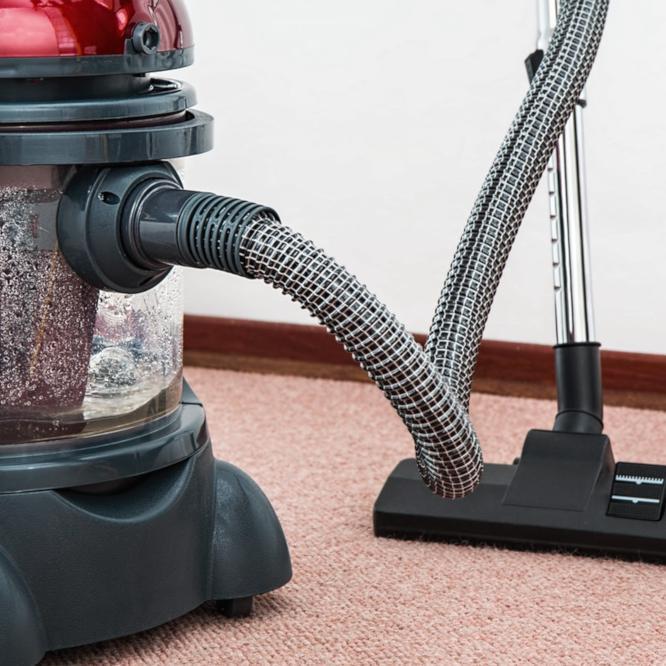
Don’t despair about a new stain on the carpet or the unsightly mark of unknown origins on your favourite rug; here are our top tips for carpet cleaning.
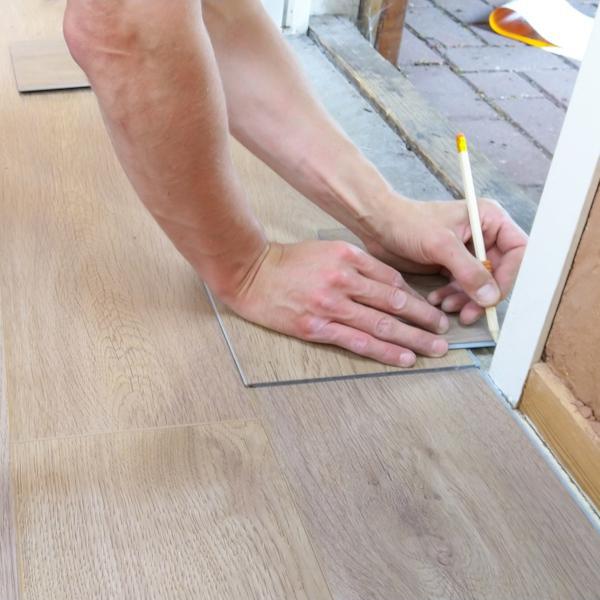
Not sure which flooring is right for your home? From hardwood to LVT, carpet to laminate, here's how to choose the right floor for every room.
Our trusted flooring specialists can help, whatever the task at hand, offering reliable support and professional expertise.

Flooring installation, maintenance and material comparison questions answered.
A loose plank or a surface scratch? DIY products can handle that. But widespread lifting, buckling, soft or spongy patches underfoot, or visible water damage are signs of something deeper - a subfloor issue or damp - that needs proper assessment. Patching the surface without fixing the underlying problem just means you'll be dealing with it again soon.
Squeaks usually come from boards rubbing against each other or against fixings as they move. Screwing them down more firmly or applying a lubricant between boards often solves it. Uneven boards are more of a concern - they can point to subfloor movement or joist problems that need looking at properly. If the issue is spreading or getting worse, don't just patch it.
Laminate or click vinyl in a straightforward rectangular room? DIY is doable if you're handy. Solid hardwood, natural stone, large-format tiles, or anything in a room with tricky angles - get a professional. The materials cost enough that a fitting mistake is expensive to put right, and subfloor prep is the bit most people underestimate.
Yes, genuinely. Raised edges, buckling boards, loose tiles, and soft patches are all trip hazards - particularly for children and older people. Lifting near water sources can also mean there's a damp or drainage issue making things worse underneath. If the same problem keeps coming back despite fixes, it needs a proper assessment rather than another patch.
The subfloor needs to be clean, dry, flat, and solid - this matters more than most people realise. Even small dips or bumps can cause laminate, tile, or vinyl to crack, creak, or lift over time. In older homes you might need to secure or replace existing floorboards, and moisture should always be checked before laying wood or engineered flooring over concrete. A good installer will assess the subfloor before quoting, not after.
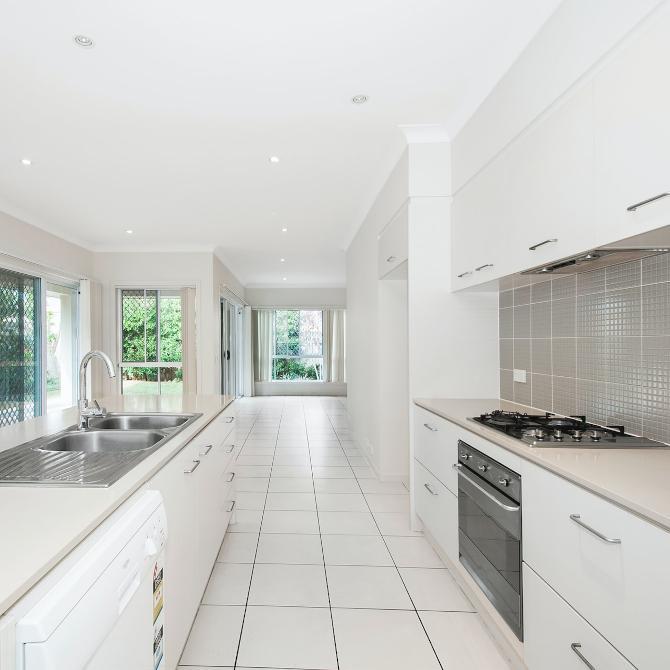
Both rooms need something water-resistant. In kitchens, luxury vinyl tile (LVT) is currently the go-to - fully waterproof, warmer underfoot than tile, and available in loads of finishes.
Porcelain tile is excellent if you like a harder, easy-to-clean surface. In bathrooms, the same options work but slip resistance becomes more important - particularly around the shower or bath.
Avoid regular laminate and solid wood in bathrooms, and only use properly sealed engineered wood in kitchens. Factor in underfloor heating compatibility early if that's something you want.
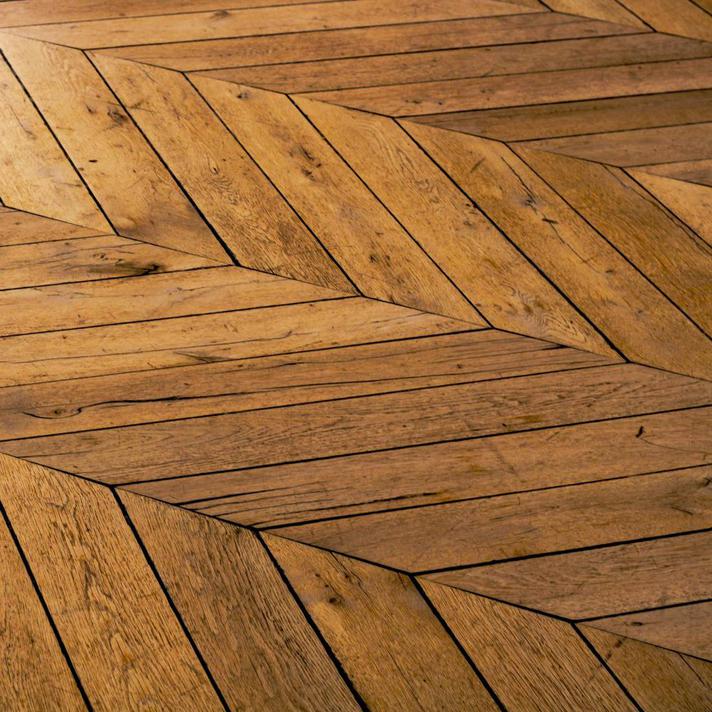
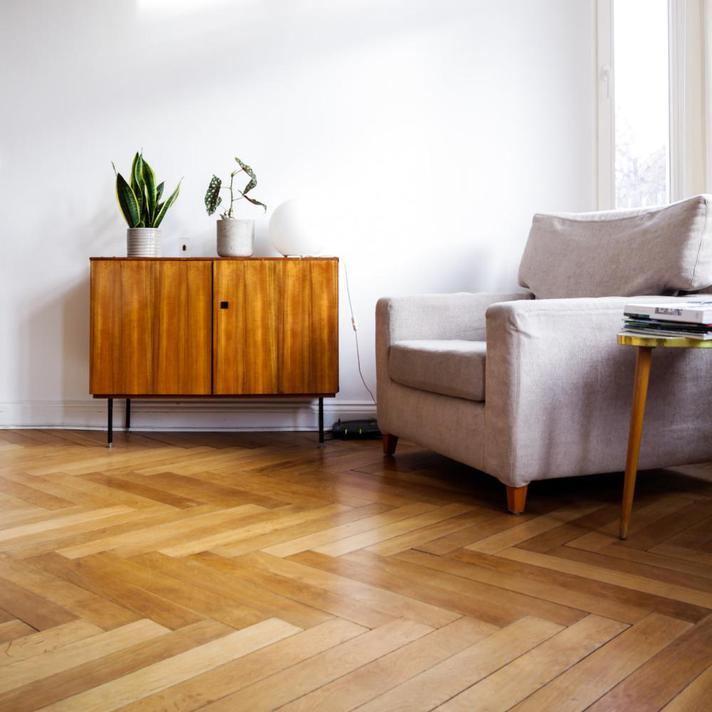
Hardwood is the real thing - solid timber that can be sanded and refinished multiple times, so it can genuinely last generations.
The downsides: it reacts to moisture and moves with the seasons. Laminate is more resistant to scratches and damp, cheaper, and easier to fit - but once it's worn, it's worn. You can't refinish it.
Engineered wood is a solid middle ground - real wood veneer on a stable plywood core that handles moisture and underfloor heating better than solid hardwood. If longevity matters and you're happy to invest, hardwood or engineered wood is worth it. If you want a good-looking, practical floor at lower cost, quality laminate is absolutely fine.
If you have a question in relation to TrustATrader specifically, please check out the TrustATrader FAQs, with separate lists tailored to consumers and tradespeople. Alternatively, get in touch with our team. We're happy to help!