Looking for a better deal on your insurance? Get a quote
Become a registered trader - Join us


Pest Control

Advice on preventing and dealing with household pests, infestations and common pest problems.

Looking for more pest control advice?

Common pest control questions including prevention, identification and treatment options.

  • Are pest control treatments safe for children and pets?

    In most cases, yes - once the treated area has dried or cured, which is typically a few hours for sprays. Your pest controller should give you clear instructions on how long to stay out of the treated area. If you have very young children or pets that are particularly sensitive (cats can react badly to some insecticides), mention it before treatment so the right products can be chosen. Gel baits are generally the lower-risk option as they're placed in contained spots rather than sprayed.

  • Can I treat an ant infestation myself or do I need a professional?

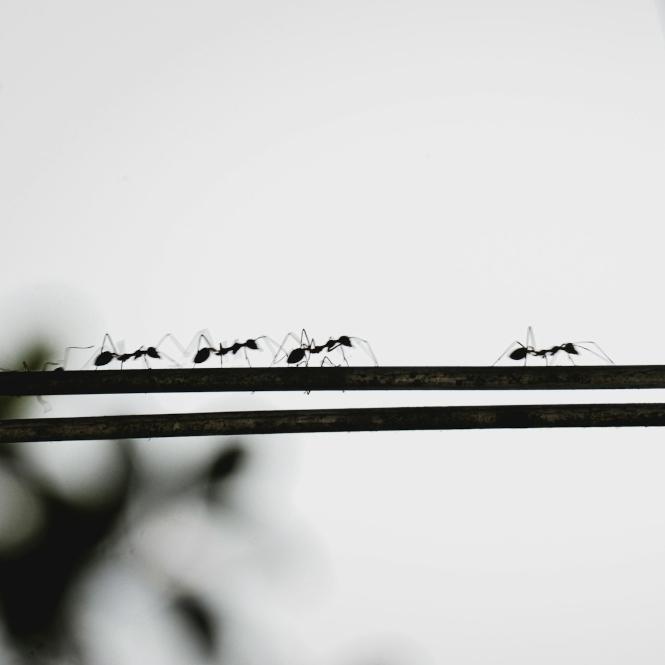
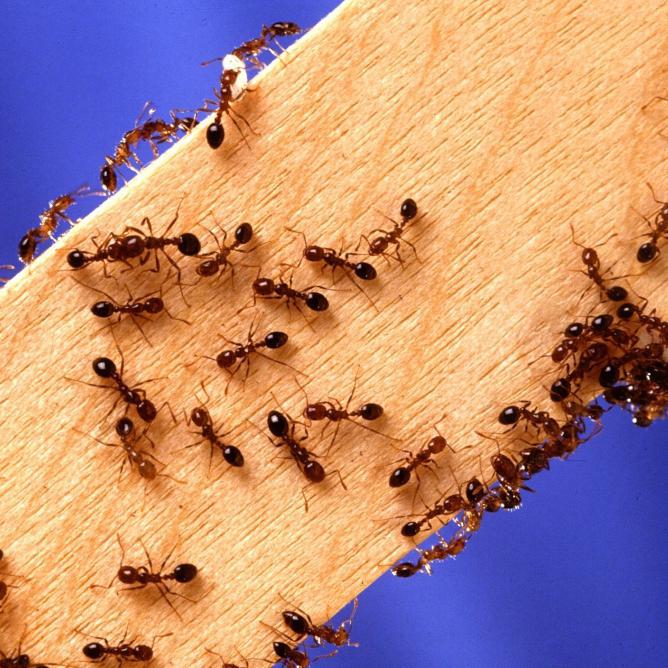
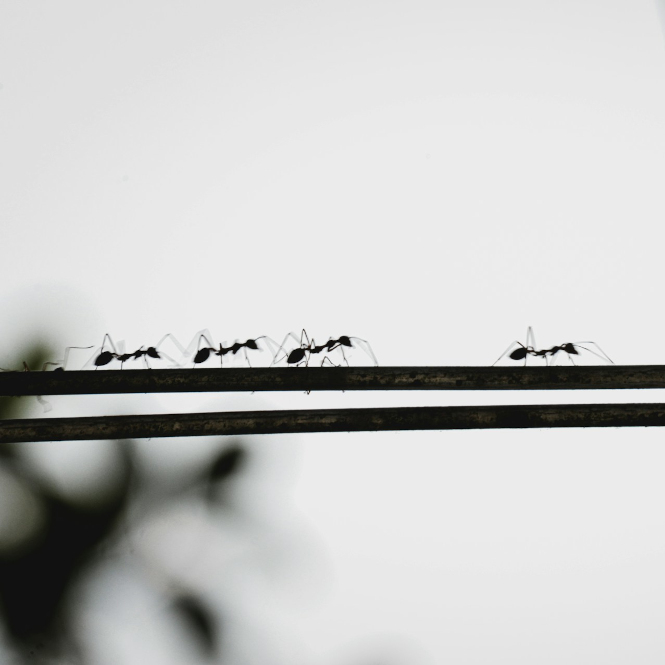
    For a small trail of ants making their way to a food source, DIY can work well. The key is finding and sealing the entry point, removing whatever's attracting them, and using a gel bait that worker ants carry back to the nest - spraying the ants themselves tends to disperse them without actually tackling the colony. For a larger or more established infestation, especially if ants are appearing throughout the property or inside walls, professional treatment is likely to be more reliably effective. Pharaoh ants are worth a particular mention - if handled incorrectly, the colony can fragment and spread, making the problem harder to resolve.

  • How long does it typically take to get rid of a pest infestation?

    Timelines vary depending on the pest. Wasp nests are usually dealt with in a single visit, while ants and cockroaches typically need two to three visits over a couple of weeks. Rodents generally require a longer programme - usually four to six weeks with regular bait checks. Bed bugs can take the most time, often needing multiple treatments over several weeks depending on how established the infestation is.
    A good pest controller should give you a realistic sense of the timeline upfront, along with a clear picture of what follow-up visits are required.

  • How do I know if I have a rat or mouse infestation in my home?

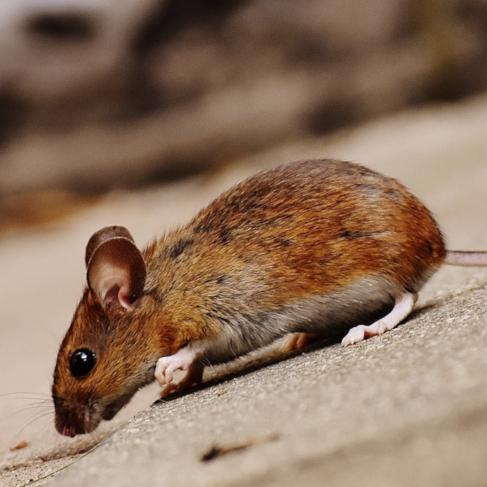
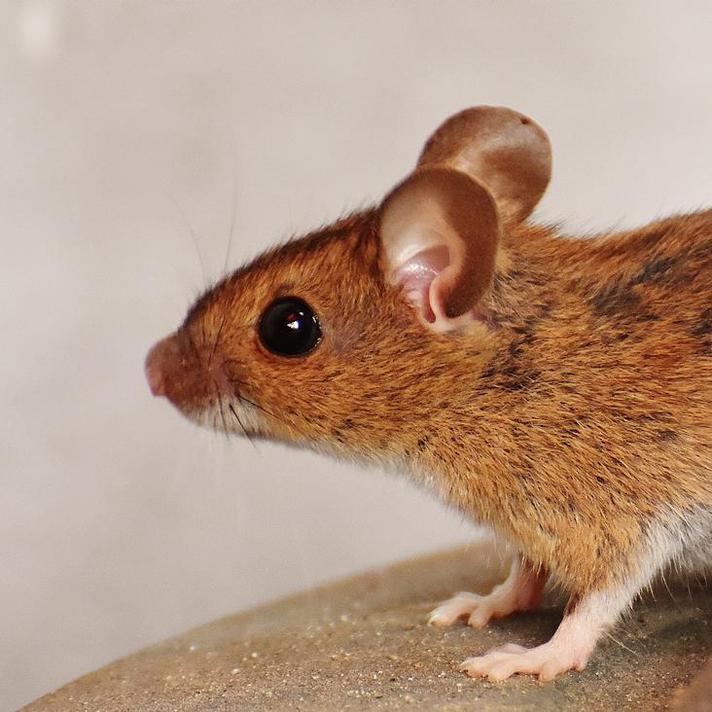
    Look for droppings (dark, pellet-shaped, usually along walls or in cupboards), gnaw marks on packaging, wiring, or woodwork, scratching sounds (especially at night) and shredded material used for nests in hidden spots. Dark smear marks along skirting boards are a strong sign of rats, specifically. If you notice any of these, act quickly - rodent populations grow fast and they cause more damage the longer they're left.

  • Can I get rid of a wasp nest myself or do I need a professional?

    For a small, accessible nest in a quiet spot away from foot traffic, a confident DIYer might manage it - but it's worth knowing that wasps can become aggressive when disturbed, and things can escalate quickly if it doesn't go to plan. For anything inside walls, a loft, or an enclosed space, it's really best left to a professional. And if anyone in the household has an allergy to wasp stings, it's definitely a job for an expert rather than something to tackle yourself.

  • What should I do if I find bed bugs in my home?

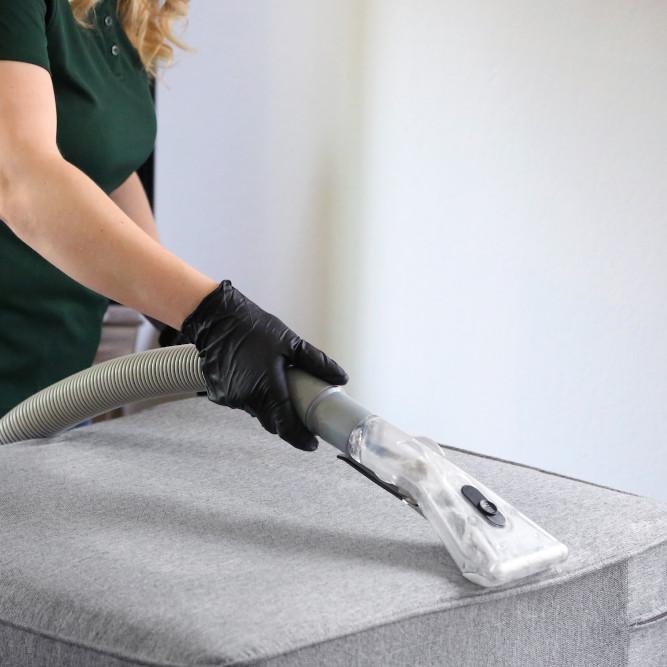
    Move quickly. Wash and heat-dry all bedding, clothing, and soft furnishings, and bag up what you can't treat immediately. Don't move things between rooms - that's how infestations spread. Over-the-counter treatments rarely deal with a proper infestation. Professional treatment, whether heat or chemical, is far more thorough and reliably gets into the places bed bugs actually hide.

  • How do pest controllers treat a property and how long does it take?

    It depends on the pest. Crawling insects typically get insecticide sprays or gels, rodents are handled with baiting systems, and bed bugs often need heat treatment. Most single-pest treatments take a few hours, but many - rodents especially - need follow-up visits at two to three week intervals to make sure the job's properly done. Your pest controller will discuss the plan upfront and tell you what preparation is needed before they arrive.

Have a question about TrustATrader?

If you have a question in relation to TrustATrader specifically, please check out the TrustATrader FAQs, with separate lists tailored to consumers and tradespeople. Alternatively, get in touch with our team. We're happy to help!