Looking for a better deal on your insurance? Get a quote
Become a registered trader - Join us


Heating

Advice on boilers, radiators, central heating systems and keeping your home warm and energy efficient.

Looking for heating engineer?

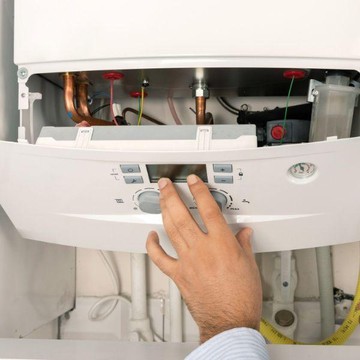
Our trusted heating engineer can help, whatever the task at hand, offering reliable support and professional expertise.

  • Boiler Installation
  • Boiler Repairs
  • Boiler Replacement
  • Boiler Servicing
  • Central Heating Installation
  • Central Heating Radiators
  • Combi Boiler Installation
  • Combi Boiler Repair
  • Gas Engineer
  • Gas Heating Systems
  • Gas Safety Certificates
  • Heating Engineer
  • Heating Engineers & Gas Fitters
  • Immersion Heater
  • Power Flush
  • Vented Cylinders

Looking for more heating advice?

Common heating and boiler questions, including servicing, breakdowns, maintenance and safety advice.

  • What is the difference between a combi boiler and a system boiler?

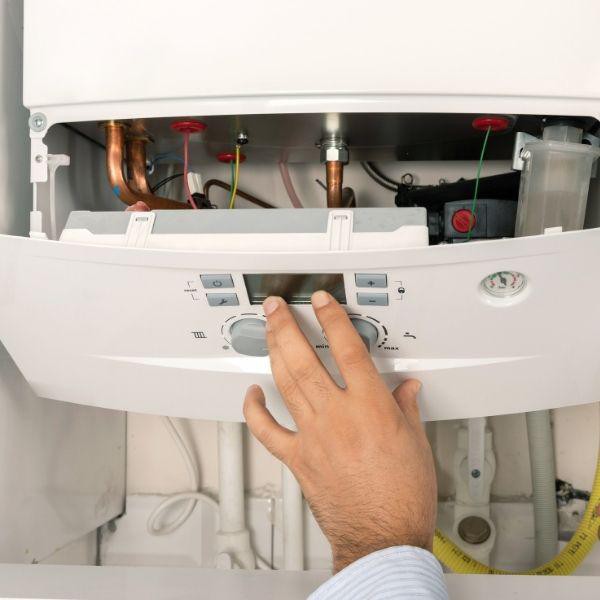
    A combi heats water straight from the mains on demand - no cylinder needed, which makes it compact and ideal for smaller homes or flats. A system boiler works with a hot water cylinder, storing a ready supply that can serve multiple taps or showers at once without the pressure dropping - better for larger homes with more bathrooms. There's also the conventional boiler, which needs both a cylinder and a cold water tank in the loft - common in older properties. A heating engineer can help you figure out which suits your home best.

  • Is an air source heat pump right for my home?

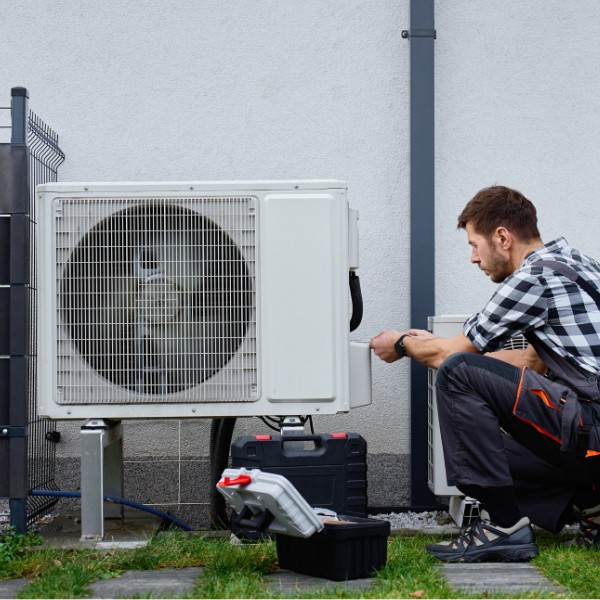
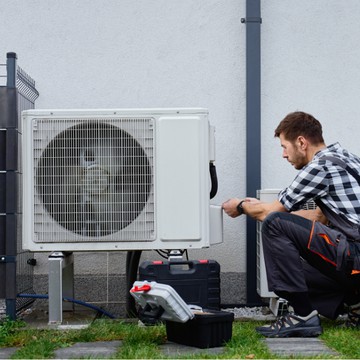
    Heat pumps pull warmth from the outside air (even when it's cold) and use it to heat your home and hot water. They work best in well-insulated homes, ideally with underfloor heating or larger radiators that work well at lower temperatures. In draughty or poorly insulated properties, the benefits are more limited. The Boiler Upgrade Scheme currently offers a grant of up to £7,500 towards installation, so it's worth getting a professional assessment to see whether your home is a good fit before committing.

  • How often should a boiler be serviced?

    Once a year, by a Gas Safe registered engineer. It keeps the boiler running safely, catches small issues before they become expensive, and is usually a condition of the manufacturer's warranty. Some home insurance policies require proof of regular servicing too. If you're not sure when yours was last done, book one before winter - better to find out before you're sitting in a cold house!

  • Why is my radiator cold at the top but warm at the bottom?

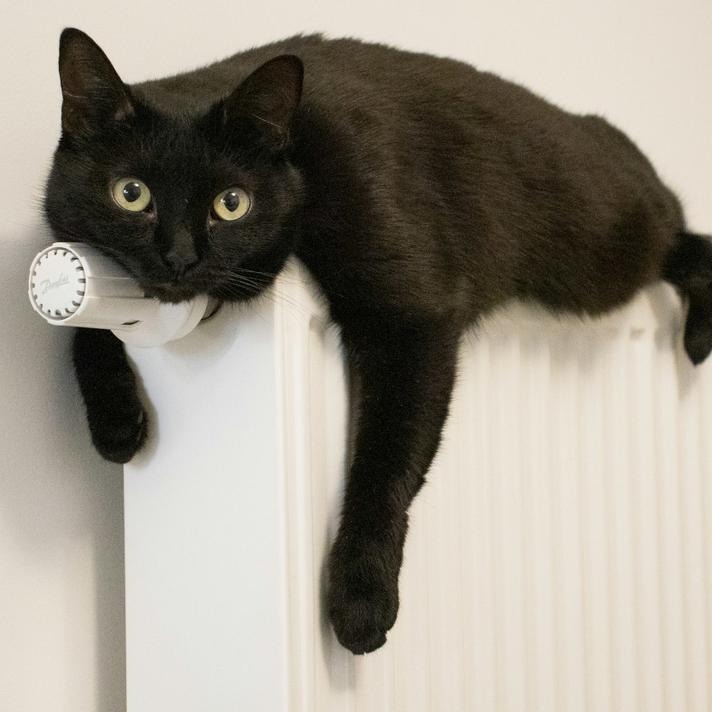
    This issue is almost always trapped air. Bleeding the radiator - using a radiator key to release the air - usually sorts it, and it's one of the few heating jobs you can safely do yourself. If bleeding it doesn't work, or if several radiators are having the same problem, it might be a pressure or pump issue. Worth getting a heating engineer in to have a look.

  • What are the signs my boiler needs replacing?

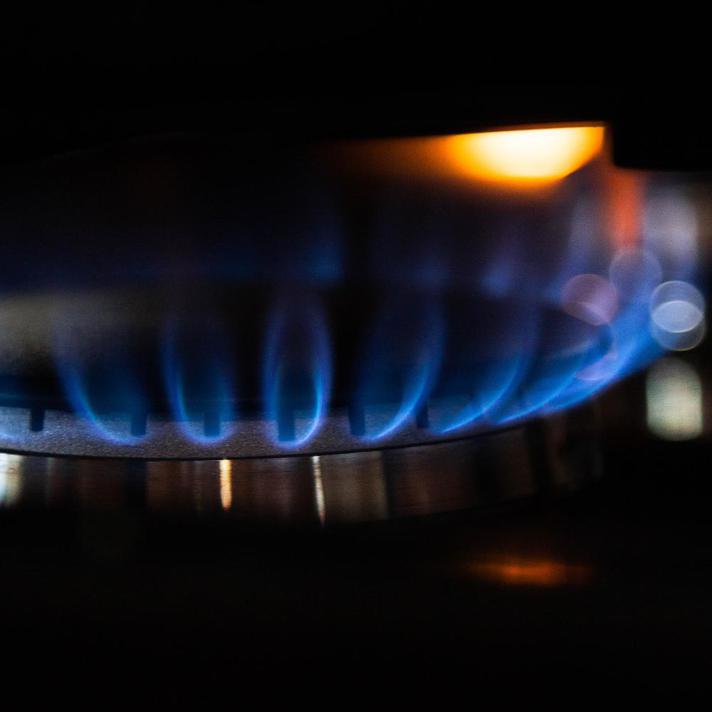
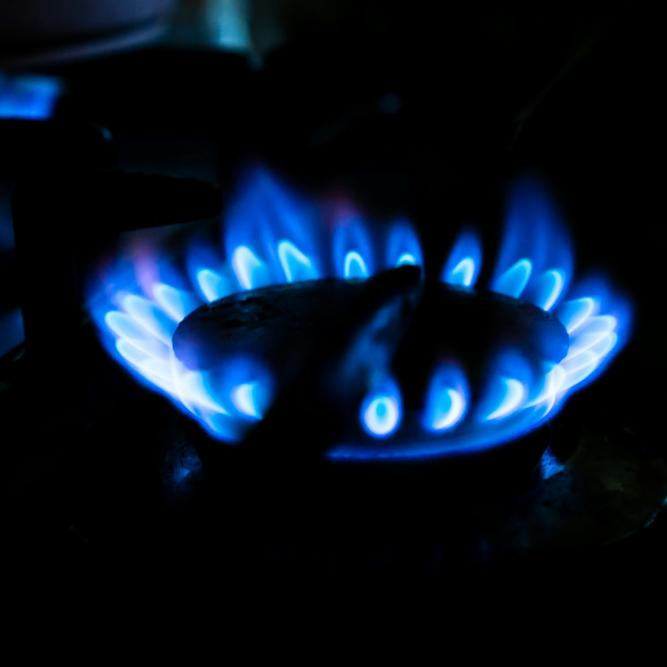
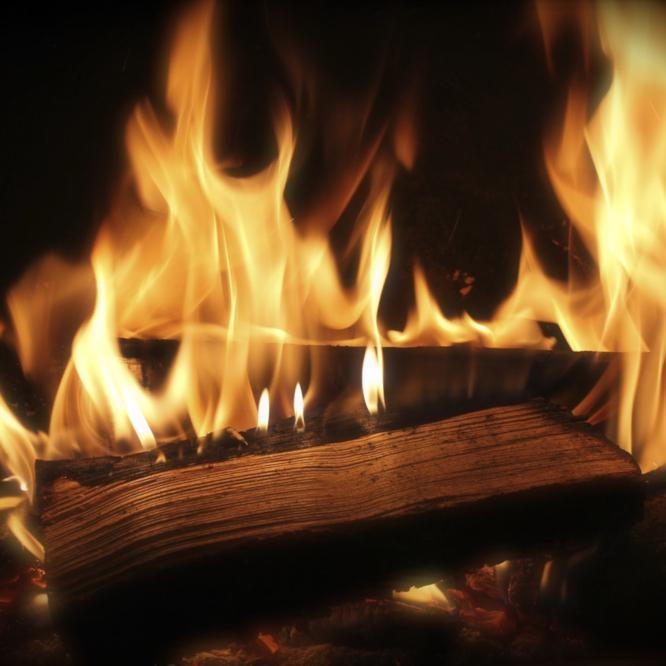
    Keep an eye out for: frequent breakdowns, energy bills going up without using more heat, unusual noises (banging, kettling, or whistling), a flame that's yellow or orange instead of blue, and any visible leaks or rust around the unit. If your boiler is over fifteen years old and ticking any of those boxes, replacing it is usually the more economical choice - modern boilers are significantly more efficient.

  • Is underfloor heating worth it and do I need a professional to install it?

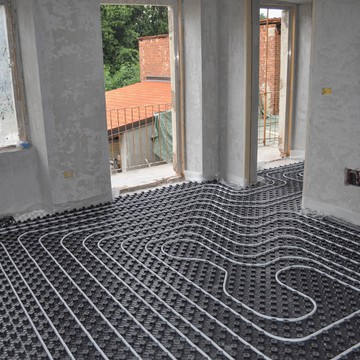
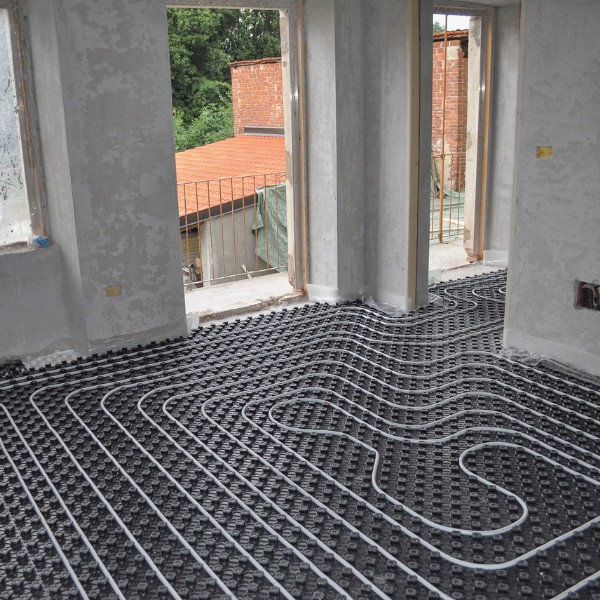
    For a new build or a big renovation, underfloor heating is often a great investment - it heats rooms more evenly than radiators and can be more efficient, especially alongside a heat pump. Retrofitting in an existing home is more of a job, and how worthwhile it is depends on your floor types and how much disruption you're happy to deal with. Either way - wet or electric - it has to be installed by a qualified professional.

  • Why does my boiler keep losing pressure?

    Some pressure drop over time is normal, but if you're topping it up regularly there's usually a cause: a small leak in the system (which isn't always easy to spot), a pressure relief valve that's releasing water, or air in the system after bleeding radiators. Topping it up via the filling loop is fine as a short-term fix, but if you're doing it more than a couple of times a year, it's worth getting an engineer to look into why it keeps happening.

Have a question about TrustATrader?

If you have a question in relation to TrustATrader specifically, please check out the TrustATrader FAQs, with separate lists tailored to consumers and tradespeople. Alternatively, get in touch with our team. We're happy to help!