Looking for a better deal on your insurance? Get a quote
Become a registered trader - Join us


Electrical

Top tips and guidance for home electrics, rewiring, lighting, and electrical safety.

Looking for more electrical advice?

Frequently asked electrical safety and installation questions homeowners should know.

  • What should I do in an electrical emergency at home?

    Switch off the power at the consumer unit if it's safe to do so - don't try to unplug a sparking appliance by hand. If there's an electrical fire, don't use water - use a dry powder or CO2 extinguisher, or get outside safely and call 999. If someone's received a shock, don't touch them until the power is definitely off - use something non-conductive like a wooden broom handle to separate them from the source. Call 999 for anything serious. Once the danger's passed, don't turn the power back on until an electrician has checked things over.

  • Can I have an EV charger installed at home?

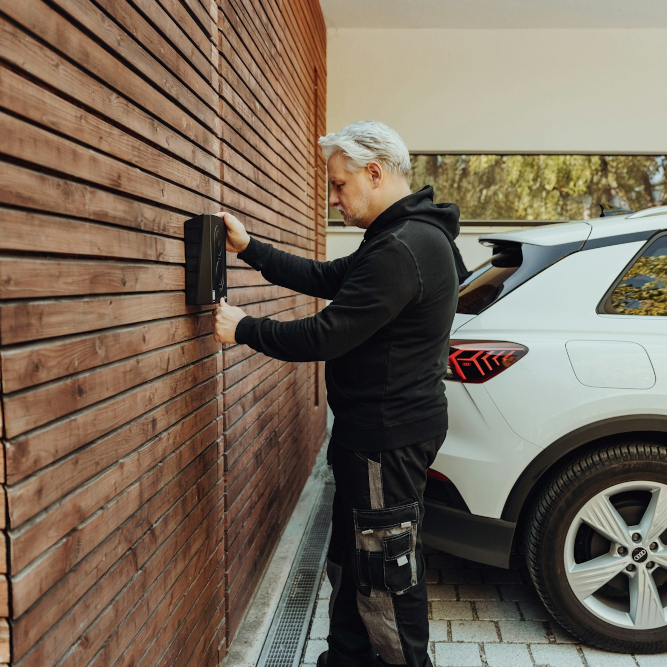
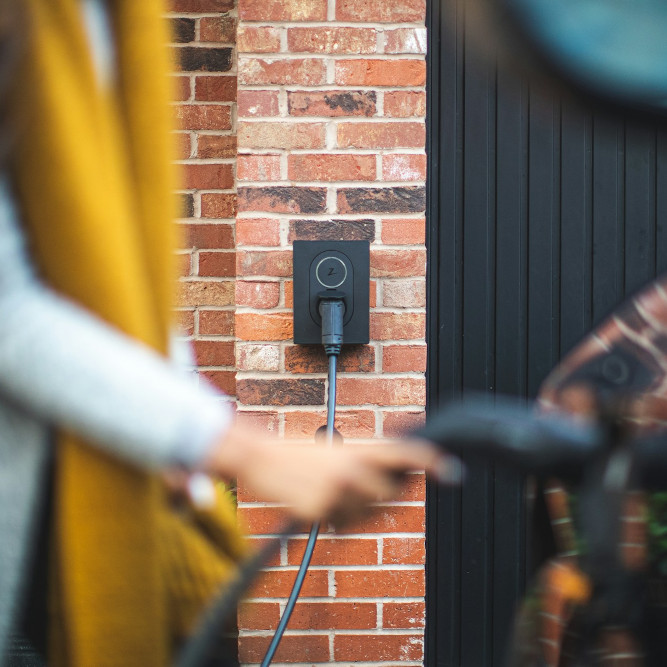
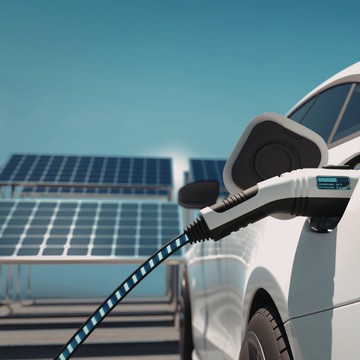
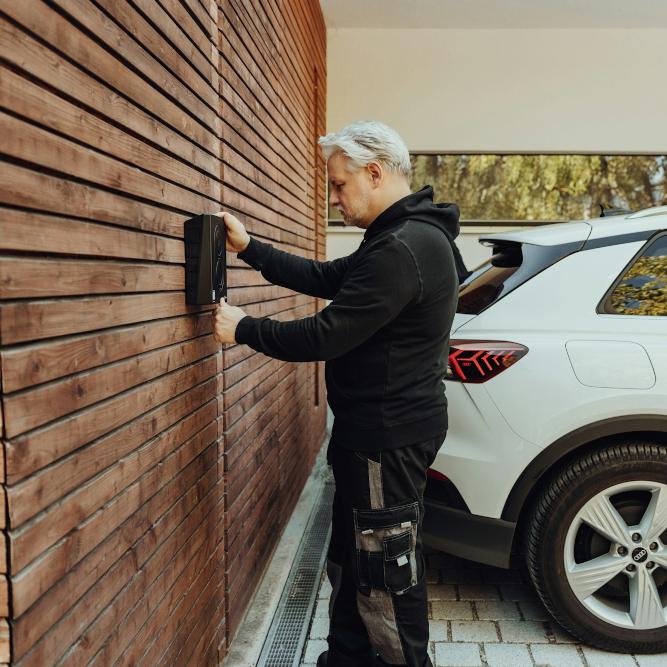
    Yes, and for most homes with off-street parking it's a pretty straightforward job taking half a day or so. A dedicated 7kW home charger will charge most EVs overnight and is much faster and safer than using a standard three-pin socket for regular charging. It needs to be installed by a qualified electrician and must comply with wiring regulations. The government's OZEV scheme has offered grants for home charger installation - worth checking the current position on GOV.UK.

  • What is PAT testing and do I need it?

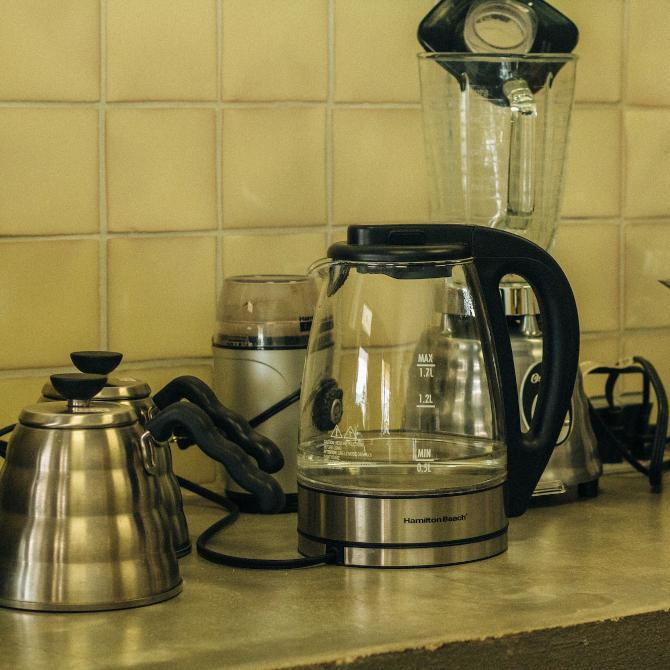
    PAT testing checks electrical appliances for safety - things like kettles, laptops, extension leads, and power tools. For most homeowners, there's no legal requirement. Landlords do need to make sure appliances in a rental are safe though, and it's required in most workplaces too. If you run a business from home or regularly use second-hand electrical equipment, it's worth getting done. An electrician or PAT specialist can tell you what applies to your situation.

  • Why does my circuit breaker keep tripping?

    Breakers trip to protect the circuit - it's the system doing its job. The usual culprits are too many high-draw appliances on one circuit, a single faulty appliance, damaged wiring, or a breaker that's starting to fail. If it keeps tripping even after you've unplugged things, or several breakers are going at once, stop resetting it and call an electrician. Persistent tripping can be a sign of something more serious.

  • How do I know if my home's electrics are safe?

    Watch out for breakers tripping frequently, flickering lights, scorch marks around sockets, burning smells, buzzing from the consumer unit, or sockets that feel warm. If your property was built before the 1970s, the wiring may not meet current standards even if everything seems to be working fine. An Electrical Installation Condition Report (EICR) is the proper way to check - legally required for landlords, and worth doing for any home that hasn't been looked at in the past ten years.

  • What is an EICR and do I need one as a homeowner?

    An EICR is a formal check of your home's wiring, sockets, and consumer unit by a qualified electrician - think of it as a health check for your electrics. It flags anything that's deteriorated, isn't up to standard, or needs attention. It's legally required for landlords but optional for homeowners, though it's a smart move if you're buying a property, haven't had one in over ten years, or are planning significant electrical work.

  • What is RCD protection and does my home have it?

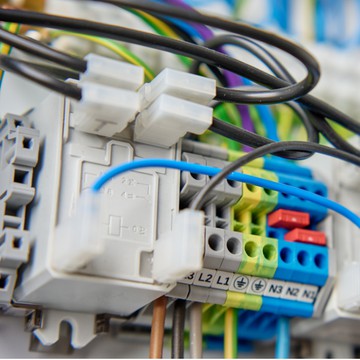
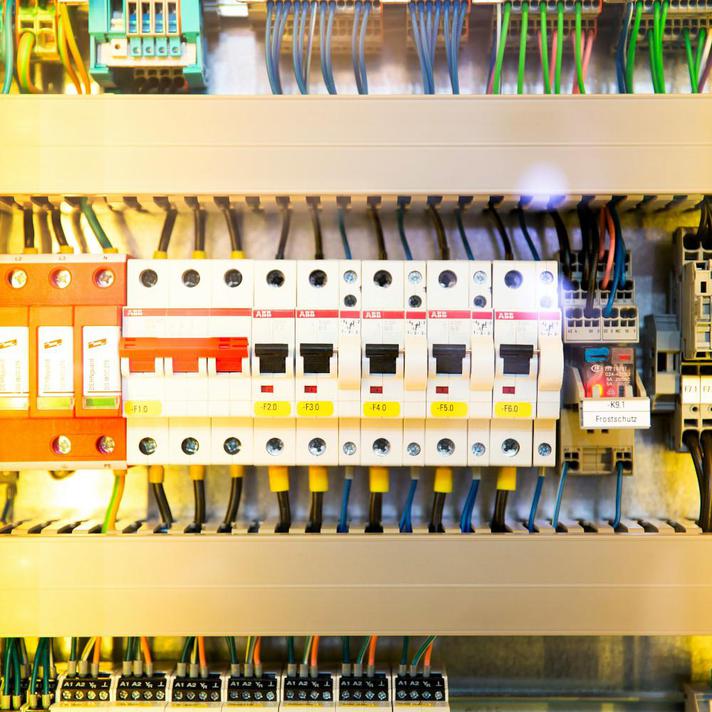
    An RCD (Residual Current Device) is a safety switch that cuts the power almost instantly if it detects a fault, dramatically reducing the risk of electrocution or fire. Modern consumer units should have RCD protection across most circuits. To check if yours does, look at your consumer unit - if you see buttons marked 'RCD' or 'T', you've got some protection in place. If it's just old-style fuses with no RCDs, it's worth speaking to an electrician about an upgrade.

  • What electrical work legally requires a qualified electrician in the UK?

    Under Part P of the Building Regulations, certain electrical work has to be done by a registered electrician - or at least notified to your local authority. This covers most bathroom work, replacing or installing a consumer unit, adding new circuits, and anything near a pool or outdoor structure. Straightforward like-for-like swaps in other rooms might be fine as DIY, but anything involving the consumer unit, rewiring, or new circuits should really go to a professional.

Have a question about TrustATrader?

If you have a question in relation to TrustATrader specifically, please check out the TrustATrader FAQs, with separate lists tailored to consumers and tradespeople. Alternatively, get in touch with our team. We're happy to help!