Looking for a better deal on your insurance? Get a quote
Become a registered trader - Join us


Kitchens

Advice on kitchen design, renovations, refits and improving functionality and style in the heart of the home.

Looking for more kitchens advice?

Common kitchen renovation questions including layout planning, budgeting and installation.

  • Do I need planning permission for a kitchen extension?

    It's the extension that matters, not the fact it's a kitchen. Single-storey rear extensions often fall under Permitted Development - but depth, height, and proximity to boundaries all affect whether that applies to you. Side extensions and two-storey builds almost always need full permission. Building Regulations approval is separate and required regardless. If you're in any doubt, a quick pre-application inquiry to your local planning authority will give you certainty before you commit.

  • Should I choose a bespoke or flat-pack kitchen?

    Flat-pack has come a long way - professionally fitted, it can look brilliant and is a smart choice for a regular-shaped kitchen or if you're renovating to sell. Bespoke is worth the extra investment when your kitchen has awkward dimensions, alcoves, or features that standard units just won't fit around. It's also built to last longer. If you're staying in the property long-term and want something that feels right rather than just functional, bespoke is usually the better call.

  • What kitchen layout works best for my home?

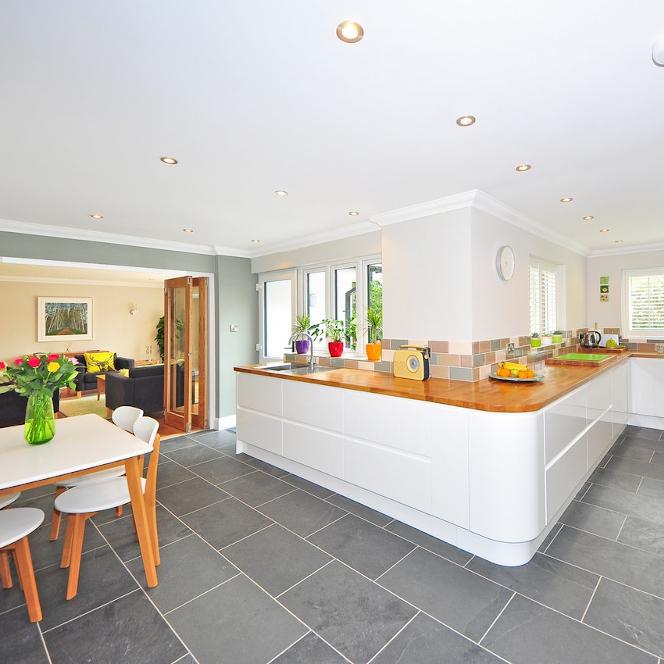
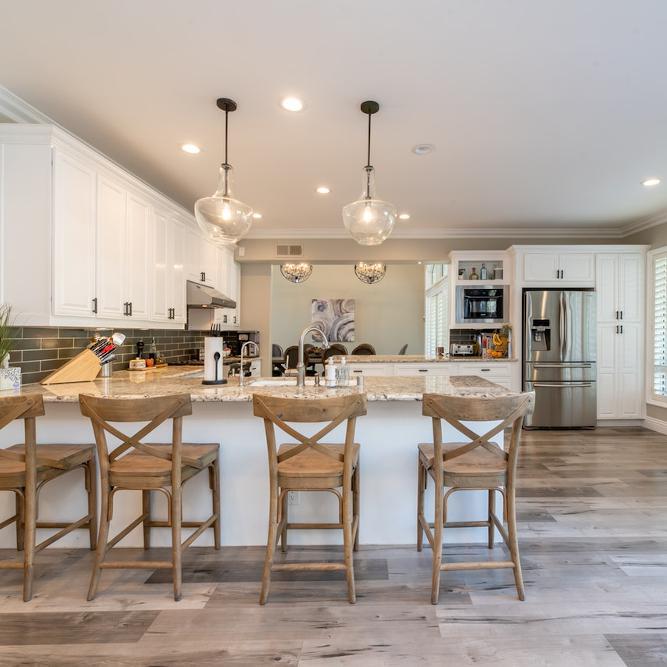
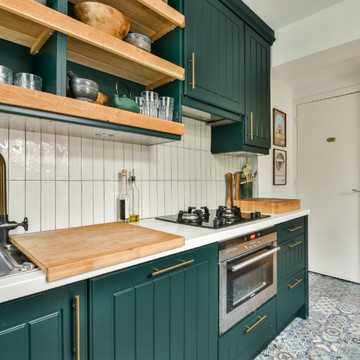
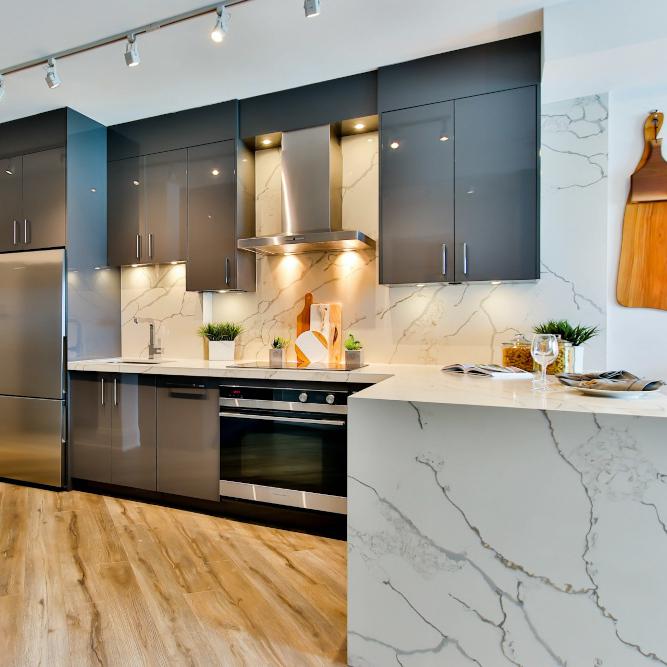
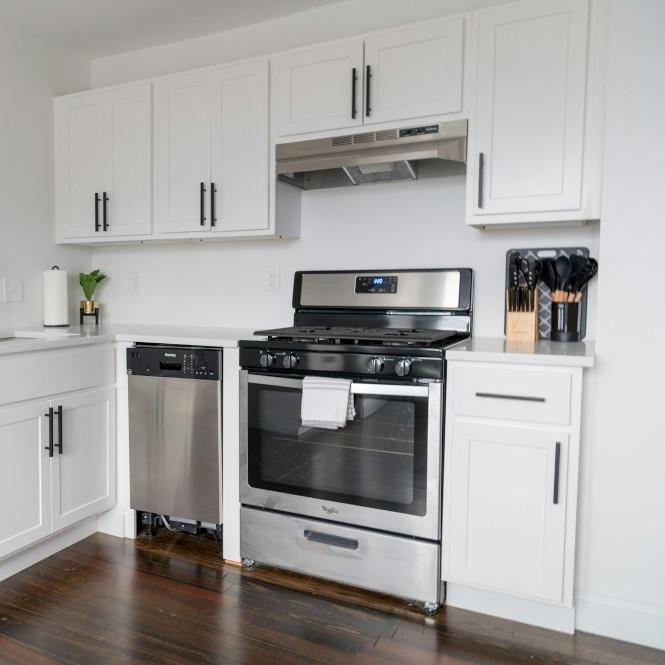
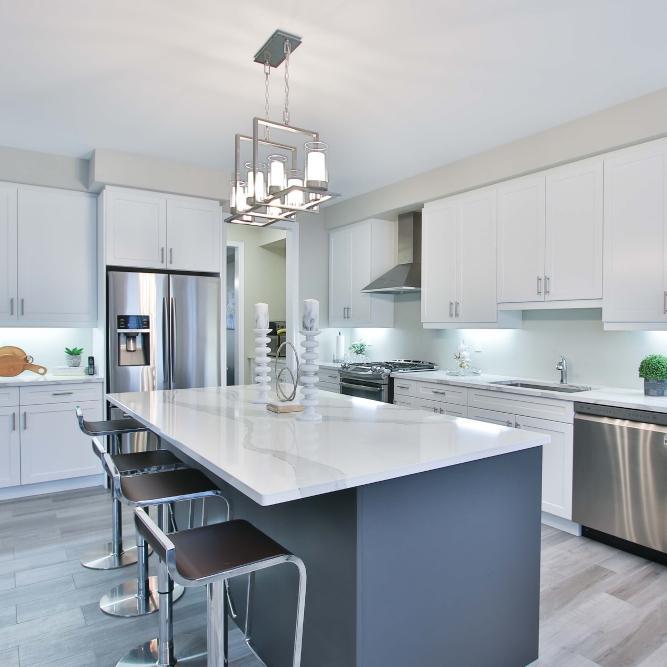
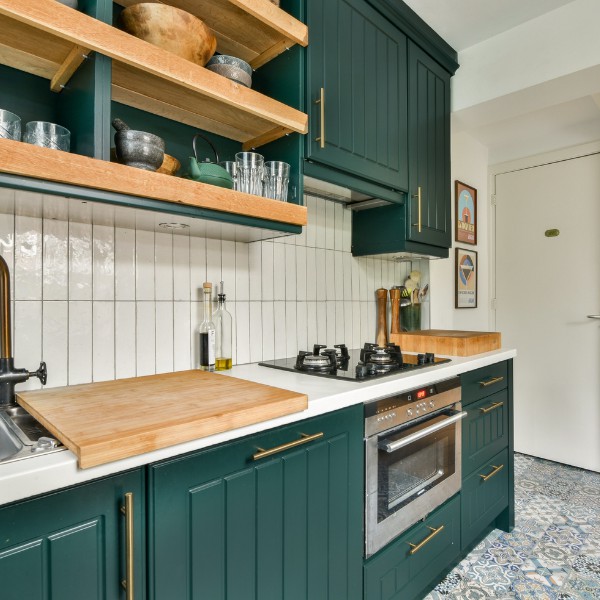
    It mostly comes down to the shape of the room. Narrow rooms suit a galley layout as it's efficient and practical. Corner rooms work well with an L-shape, which creates a natural flow between hob, sink, and fridge. U-shaped layouts give the most storage in a bigger, squarer room. An island needs at least a metre of clear space around it - don't try to squeeze one in. Open-plan connecting to a dining area is consistently the most popular choice right now. A good kitchen designer will look at your space properly before suggesting any particular layout.

  • Do I need a plumber and electrician for a kitchen installation?

    In most cases, yes. A full kitchen fit will involve plumbing for the sink, dishwasher, and possibly a washing machine, plus electrical work for new sockets, the cooker connection, and lighting. Both need to be done by qualified people - electrical work near water and worktops must comply with Part P. Some kitchen fitters cover basic plumbing, but for anything more involved, bring in the specialists.

  • How long does a kitchen installation take?

    Typically five to ten working days for a standard kitchen, though it depends on size, layout complexity, and whether any rewiring or new plumbing runs are needed. Delayed deliveries are one of the most common causes of projects overrunning. Confirm lead times before you schedule the work.

  • Do I need to move out while my kitchen is being fitted?

    Usually not, but expect a fair amount of disruption - especially in the first couple of days when the old kitchen is being ripped out. Water and power will be off at various points, so have a kettle, microwave, and bathroom sink access sorted. For a complex fit with multiple trades over an extended period, some people prefer to stay elsewhere - but for a standard installation, most people manage fine at home.

  • Does a new kitchen add value to my home?

    A well-fitted, well-designed kitchen can make a real difference to both value and how quickly a property sells - it's one of the first things buyers look at. The return depends on quality and the local market, but a tired or poorly fitted kitchen can put buyers off just as easily as a good one draws them in. Professional installation is very important here!

  • What are the most common issues that arise during a kitchen installation?

    The big ones: units or appliances arriving damaged or the wrong size, unexpected plumbing or electrical problems behind the walls, deliveries running late, and the room not being properly prepped before the fitter arrives. Most of these are avoidable - double-check measurements before ordering, get a clear schedule agreed with everyone involved, and make sure any plastering or flooring that needs to happen first is done before the fitter turns up.

Have a question about TrustATrader?

If you have a question in relation to TrustATrader specifically, please check out the TrustATrader FAQs, with separate lists tailored to consumers and tradespeople. Alternatively, get in touch with our team. We're happy to help!