Looking for a better deal on your insurance? Get a quote
Become a registered trader - Join us


Plumbing

Find guidance on leaks, pipework, drainage, water pressure and everyday home plumbing issues.

trustatrader plumbers

Looking for plumbers?

Our trusted plumbers can help, whatever the task at hand, offering reliable support and professional expertise.

  • Home Radiators
  • Pipe Fitter
  • Plumbers
  • Plumbing
  • Property Radiators
  • Water Treatment Specialist

Looking for more plumbing advice?

Answers to common plumbing questions including leaks, blockages and repair costs.

  • What should I do if I have a blocked drain or sink?

    Start with a plunger - create a good seal and use firm, steady pressure. For a kitchen sink blocked with grease, bicarbonate of soda followed by vinegar can help. If that's not shifting it, a drain snake reaches further down the pipe. Go easy on chemical drain cleaners as they can damage older pipes and rarely sort the root cause. If the blockage keeps coming back, affects more than one outlet, or you're getting unpleasant smells, call a plumber rather than trying to patch up the problem.

  • How can I tell if I have a hidden water leak?

    The most obvious clue is a water bill that's gone up without any change in your usage. Beyond that, listen out for running water when everything's turned off, and watch for damp patches on walls or ceilings nowhere near an obvious water source. A quick self-test is to turn everything off and watch your water meter - if it's still moving, there's a leak somewhere. Tracking down exactly where it is usually needs a specialist detection kit, which a plumber can bring in without having to rip everything up.

  • What should I do if I have a burst pipe?

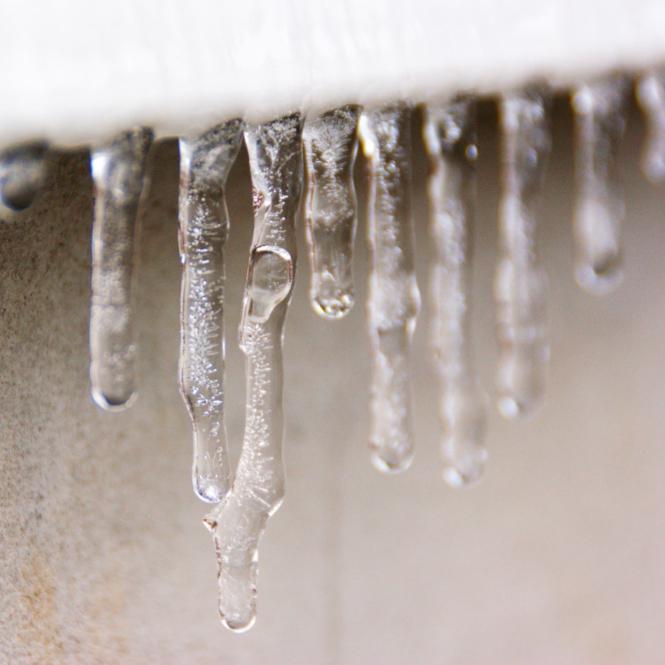
    Turn off your stopcock straight away - you'll usually find it under the kitchen sink or where the mains water enters the property. Once it's off, open your taps to drain what's left in the system, switch off the boiler if you can do so safely, and mop up any standing water before it reaches electrics or flooring. Then call a plumber. With burst pipes, the faster you act, the less damage you'll be faced with.

  • What is a gas safety certificate and do I need one?

    A Gas Safety Record is issued by a Gas Safe registered engineer after checking that all your gas appliances, flues, and pipework are safe. Landlords in England, Scotland, and Wales are legally required to get one every year and give tenants a copy within 28 days. For homeowners it's not a legal requirement, but getting a check done alongside your annual boiler service is a smart idea, particularly in older properties. Only a Gas Safe registered engineer can carry out the work or issue the certificate - you can check anyone's registration on the Gas Safe Register website.

  • Why is my water pressure low and can a plumber fix it?

    Low pressure usually comes down to one of a handful of things: a stop valve that's not fully open, limescale build-up in older pipes, a failing pressure-reducing valve, or an issue with your water provider's mains supply. In most cases a plumber can sort it - though if the problem is with the mains itself, you'll need to contact your water company first. Either way, don't just live with it - ongoing low pressure can sometimes point to something more serious.
  • How do I know if my boiler needs replacing or just repairing?

    If it's under ten years old and it's one specific fault, a repair usually makes sense. If it's over fifteen, has needed multiple fixes recently, is making strange noises, or your energy bills have crept up for no obvious reason - replacement is probably the better investment. A useful rule of thumb: if the repair would cost more than half the price of a new boiler, it's probably time to replace it.

  • How often should I get my plumbing inspected?

    There's no legal requirement for homeowners, but every two to three years is a sensible habit - especially in older properties or hard water areas where limescale builds up over time. Your annual boiler service covers some of the associated pipework too. And if anything seems off between inspections - odd noises, discoloured water, unexplained damp - don't wait. Get it looked at sooner.

  • Why do my pipes make a banging or knocking noise?

    That banging sound (sometimes called water hammer) usually happens when water flow is suddenly stopped or redirected, sending a pressure wave through the pipes. It's most common after flushing the toilet, shutting a tap sharply, or when a washing machine valve closes. Pipes that aren't properly secured can also knock against walls or joists. It sounds alarming but it's often an easy fix - a plumber can figure out whether it's a pressure issue, a faulty valve, or just some loose pipework.

Have a question about TrustATrader?

If you have a question in relation to TrustATrader specifically, please check out the TrustATrader FAQs, with separate lists tailored to consumers and tradespeople. Alternatively, get in touch with our team. We're happy to help!