Looking for a better deal on your insurance? Get a quote
Become a registered trader - Join us


Driveway & Paving

Advice on driveway installations, block paving, patios and exterior surfacing options.

Looking for blockpaving & driveways?

Our trusted blockpaving & driveways can help, whatever the task at hand, offering reliable support and professional expertise.

  • Blockpaving
  • Blockpaving & Driveways
  • Concrete Footings
  • Driveway Specialists
  • Granite Driveways
  • Monoblocking
  • Natural Stone Driveways
  • Paths
  • Paving

Looking for more driveway & paving advice?

Driveway and paving FAQs covering materials, maintenance, and when to call in an expert.

  • Do I need planning permission to pave my front garden?

    If you're using a surface that drains naturally - gravel, permeable block paving, porous tarmac - you're usually covered by Permitted Development, no application needed. If you're going for a solid, impermeable surface over more than five square metres, you may need planning permission. Rules are stricter for listed buildings and conservation areas. Worth checking with your local authority before you start.

  • What is the best driveway material for the UK climate?

    Our wet winters and freeze-thaw cycles mean you want something durable with decent drainage. Block paving handles heavy use well and looks good for years when maintained.

    Resin-bound gives a clean, modern finish and drains naturally. Tarmac is practical and reliable, if less exciting to look at. Loose gravel drains brilliantly but scatters. The right choice comes down to budget, how much maintenance you're up for, and what you want the finished look to be.

  • How do I stop weeds growing through block paving?

    Weeds grow through the jointing sand between blocks, not the blocks themselves. Polymeric jointing sand - the type that sets firm - significantly reduces the problem. A weed membrane during installation helps too.

    For an existing driveway getting overrun, a professional can re-sand the joints and treat them. Left alone, weeds will eventually displace blocks and cause real damage to the surface.

  • How long does a new driveway installation take?

    Most residential driveways take two to five days. Resin-bound can sometimes be quicker; block paving with intricate patterns or edging might take a bit longer. The groundwork stage often takes longer than people expect. Your contractor should give you a clear timeline upfront and flag anything that might affect it.

  • How do I know if my driveway needs repairing or fully replacing?

    A few isolated cracks or a handful of damaged blocks? Targeted repairs are usually fine. But if cracking or sinking is widespread, the sub-base has failed, drainage is consistently poor, or the whole surface is looking tired, a full replacement is going to be more economical than a series of patch-up jobs.

    Get a specialist to check the sub-base - if that's gone, any surface repair is just a temporary fix.

  • Is a resin driveway worth the investment?

    For many homeowners, yes. It looks clean and contemporary, drains naturally (which means it's SuDS-compliant and avoids planning permission issues), and doesn't scatter the way gravel does.

    The catch is that quality varies a lot - a poorly mixed or laid resin surface can bubble, discolour, or crack within a couple of years. A good UV-stable resin, installed by someone experienced, should last fifteen years or more. It's one of those jobs where the installer matters as much as the material.

  • What is the difference between block paving and tarmac?

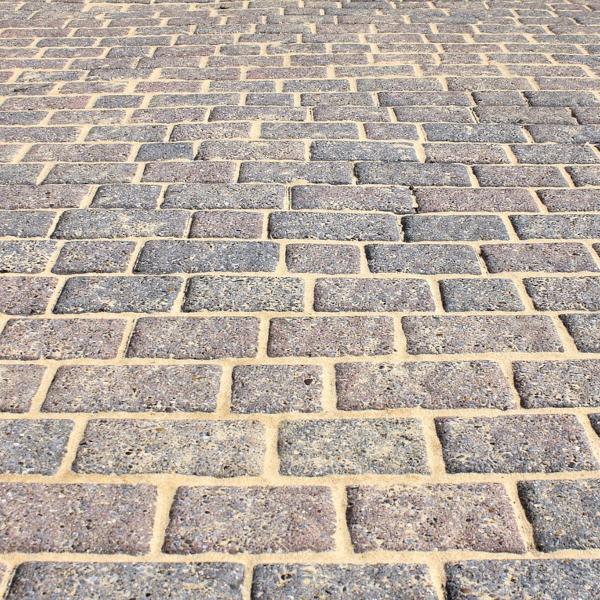
    Block paving uses individual bricks laid over a compacted sub-base - it looks great, adds kerb appeal, and individual blocks can be lifted and replaced if something goes wrong. The ongoing battle is the joints - weeds and moss love them. Tarmac is a bound surface laid all in one go - faster to install, tough on heavy vehicles, and generally the more affordable option.

    It's harder to repair seamlessly and can soften slightly in extreme heat. Which works better for you depends on how much you care about looks versus cost, and how much maintenance you're up for.

  • How do I maintain my driveway to extend its lifespan?

    Keep it clear - leaves and debris left to rot will stain and damage most surfaces. Blocked gutters draining onto the driveway will cause problems too. For block paving, re-sand the joints every few years and apply a good sealer.

    Tarmac benefits from a specialist sealant every three to five years to protect against cracking. Deal with any cracks or sunken patches sooner rather than later - a small problem that gets through a hard winter tends to come back as a much bigger one.

Have a question about TrustATrader?

If you have a question in relation to TrustATrader specifically, please check out the TrustATrader FAQs, with separate lists tailored to consumers and tradespeople. Alternatively, get in touch with our team. We're happy to help!