Looking for a better deal on your insurance? Get a quote
Become a registered trader - Join us


Home Security

Top tips and advice on protecting your home with alarms, locks, CCTV systems and security upgrades.

Looking for more home security advice?

Common home security questions covering alarms, locks, surveillance systems and safety tips.

  • What home security measures do insurance companies recommend?

    Most insurers want to see five-lever mortise deadlocks on external doors, key-operated window locks, and ideally a monitored alarm - some require these as a condition of cover. CCTV and smart doorbells are increasingly valued too.

    Check your policy documents or speak to your insurer directly - inadequate security can affect both your premiums and whether a claim gets paid out.

  • Should I get a CCTV system or a smart alarm installed professionally?

    Off-the-shelf systems are sold as DIY-friendly, but professional installation gets you proper camera positioning for actual coverage, everything integrated correctly, and reliable connectivity.

    If your alarm needs to meet insurer requirements or NSI/SSAIB standards, professional installation is usually a must. A good installer will also assess your property's specific weak points rather than just fitting a standard kit.

  • Does having a visible alarm box actually deter burglars?

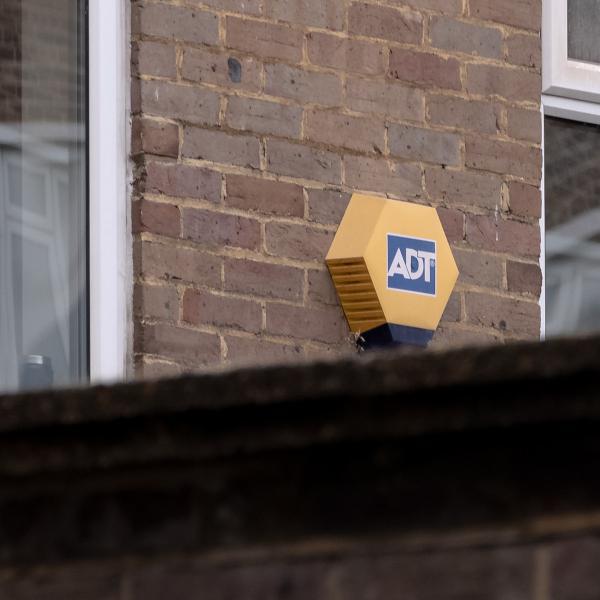
    Yes - consistently, according to research. A dummy box offers some deterrent, but a working monitored system with a visible bell box is significantly more effective. Burglars mainly target properties that look easy to enter quickly and quietly - anything that signals risk or delay helps. Combine a visible alarm with motion-activated lighting and CCTV and you're covering the main things that make a property look like a harder target.

  • What is the most effective burglar deterrent for a UK home?

    A combination of things working together is what really makes the difference. A visible alarm, motion lighting, and CCTV remove the cover burglars rely on.

    Strong door and window locks matter too - most break-ins involve forcing a door or window, not anything sophisticated. When you're away, timer-controlled lights that make the house look occupied are simple but genuinely effective.

  • What should I do immediately after a break-in?

    Don't touch anything until the police have been - you want to preserve the scene. Call the police and get a crime reference number, which you'll need for your insurer. Report it to your insurer as soon as you can.

    Photograph any damage before anything gets moved. Once the police have attended, get a locksmith or security professional out to make the property secure - especially if any doors or windows were damaged.

  • Should I upgrade to a smart lock and are they more secure than traditional locks?

    Security-wise, it depends more on the lock's mechanism than whether it's smart or not. Most smart locks use the same deadbolt mechanisms as conventional ones and just add keypad, fingerprint, or app control on top.

    The real benefits are practical - you can give temporary access without cutting keys, see who's come and gone, and set it to auto-lock. Look for Sold Secure or BSI Kitemark accreditation, and make sure it's properly installed - a good lock fitted poorly doesn't offer much.

  • How often should I change the locks on my home?

    There's no set schedule, but there are clear triggers: moving into a new property, losing a set of keys, a relationship breakdown where someone had a key, or after a break-in. Outside of those situations, a quality lock will last many years without needing replacement unless it's showing signs of wear.

    Stiffness or keys becoming difficult to turn are worth getting looked at rather than ignoring.

  • Can uPVC door locks be repaired or do they need replacing?

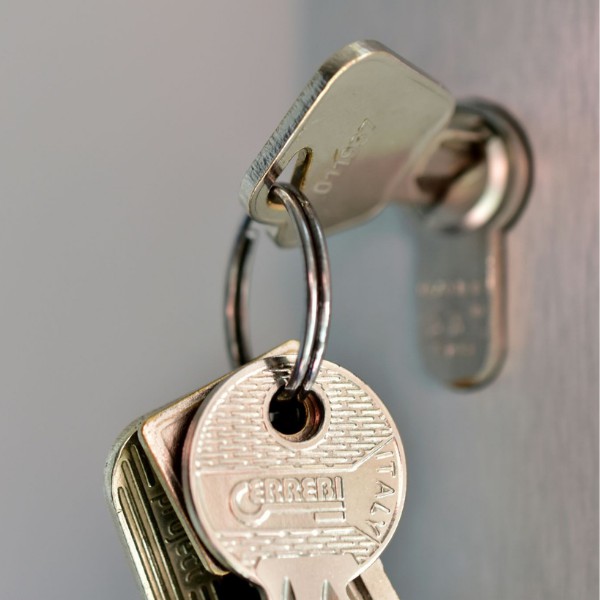
    Often repaired, actually. The most common problem - a multipoint lock that won't engage properly with the frame - is usually down to the door dropping slightly on its hinges. Adjusting the hinges often sorts it without touching the lock at all. The euro cylinder (the part the key goes into) can be replaced cheaply and quickly on its own if that's the issue. A full mechanism replacement is only needed if the internal gearbox has failed. A locksmith can work out which part's the problem and fix just that.

Have a question about TrustATrader?

If you have a question in relation to TrustATrader specifically, please check out the TrustATrader FAQs, with separate lists tailored to consumers and tradespeople. Alternatively, get in touch with our team. We're happy to help!