Looking for a better deal on your insurance? Get a quote
Become a registered trader - Join us


Roofing

Expert advice on roof repairs, maintenance, replacements, storm damage and everything homeowners need to know about keeping their roof safe, secure and weatherproof.

Looking for roofers & roofing?

Our trusted roofers & roofing can help, whatever the task at hand, offering reliable support and professional expertise.

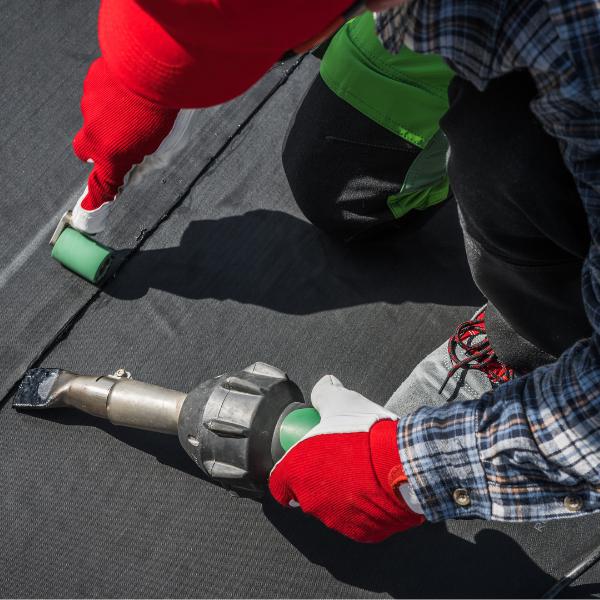
  • Felt Roofing
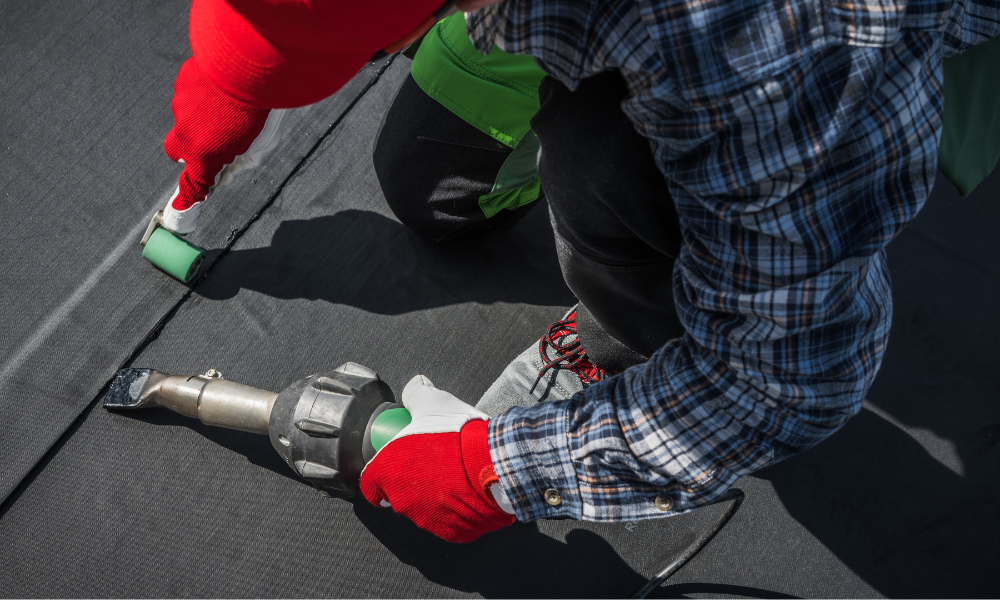
  • Flat Roofs
  • Industrial Roofing
  • New Roofs
  • Pitched Roofing
  • Roof Inspection and Reports
  • Roof Rebuilds
  • Roof Repairs
  • Roof Surveys
  • Roofers
  • Roofers & Roofing
  • Roofing
  • Roofing Surveyors
  • Stone Roofing

Looking for more roofing advice?

Common questions about roofing installation, repairs, materials and when to call a professional roofer.

  • What types of roofing materials are best for UK homes?

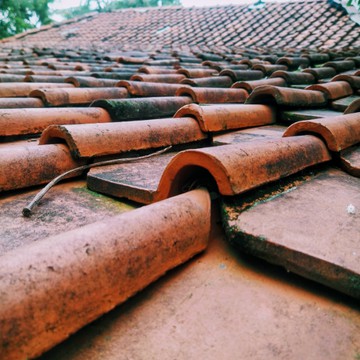
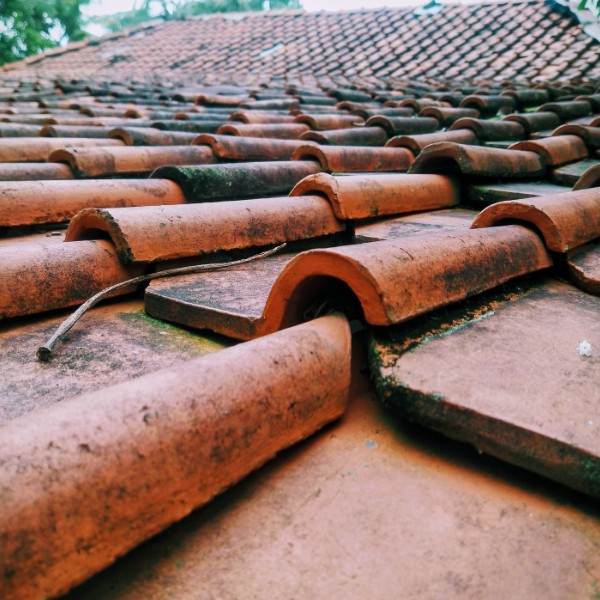
    Clay and concrete tiles, natural slate, and EPDM rubber for flat roofs are the most common on UK homes. Clay tiles are durable and handle our freeze-thaw winters well - though they're heavy, so not every roof can take them. Slate looks great and can last over a century done properly. For flat or low-pitched roofs, EPDM rubber has largely replaced traditional felt because it holds up much better against UV damage and standing water. The right call depends on your roof's pitch, your property's age, and what the structure can support.

  • How quickly can I get an emergency roof repair?

    Most roofers offer emergency callouts, but response times vary. In quieter periods, someone might get to you within a few hours. After a big storm when everyone's calling at once, you might be waiting a day or more. If there's a delay, get a tarpaulin over the damage in the meantime. One thing to watch: be wary of anyone who knocks on your door unsolicited after a storm offering to check your roof - it's a well-known scam.

  • What are green roofs and are they worth it?

    A green roof has a waterproof layer topped with soil and plants - usually sedums or grasses for a low-maintenance version, or something more garden-like if you want to go further. They insulate well, soak up rainwater, and are good for local wildlife. They can also extend the life of the waterproofing underneath by shielding it from sun and temperature swings. Whether it's worth it depends on your roof's structure and what you're hoping to get out of it. Installation needs to be done professionally - a leak underneath a green roof is a far bigger headache than on a standard flat roof.

  • How do I know if my roof needs repairing or replacing?

    A few broken tiles or a small patch of damaged flashing? That's usually a repair job. But if your roof is over 20 years old, leaks keep coming back in different spots, or you're seeing sagging or widespread cracking, replacement is probably the smarter long-term call. A proper inspection from a roofer will give you a straight answer before you commit to anything.

  • What are the signs of a leaking roof I shouldn't ignore?

    Water stains on ceilings, damp patches on walls, mould in the loft, or daylight peeking through the roof boards - all worth acting on quickly. A musty smell upstairs can also point to a slow leak, even when there's nothing visible. Roof leaks don't fix themselves, and the longer they're left, the more damage they do to insulation, timbers, and your ceilings.

  • Is moss on my roof a serious problem?

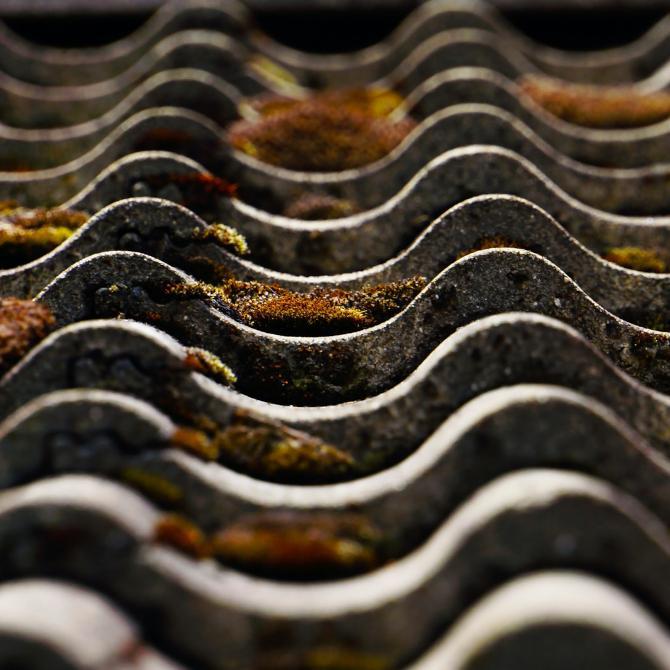
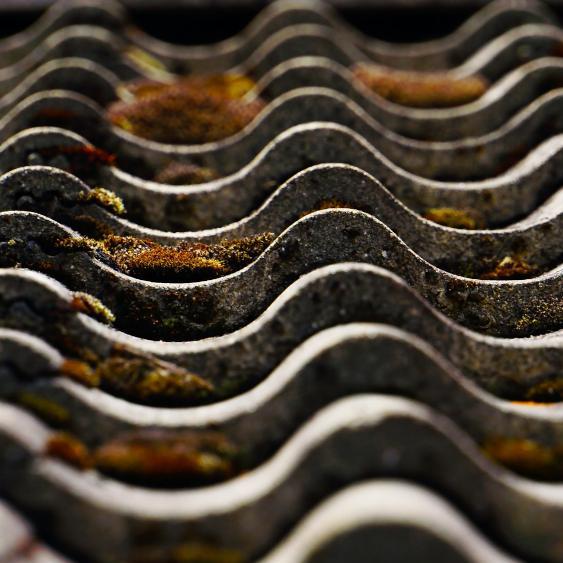
    Not an emergency, but don't leave it too long. Moss holds moisture against the tiles, which can work its way underneath and cause cracking in winter. It'll also block your gutters if it spreads far enough. Getting it professionally cleaned and treated is the way to go - it's not a job to DIY given the risks of working at height.

  • What happens if I delay getting my roof repaired?

    Small problems get expensive fast. A few displaced tiles can leave the felt underneath exposed to weather damage, and even a minor leak can cause timber rot, saturate insulation, and eventually ruin ceilings and walls. What could've been a straightforward repair becomes a much bigger project the longer you leave it, so it's best to get it sorted sooner rather than later.

  • How do I temporarily protect my home if my roof is damaged in a storm?

    If tiles are missing or water's getting in, the priority is limiting the damage until a roofer can get to you. A heavy-duty tarpaulin over the affected area is your best bet - make sure it extends well past the damage and is secured so it doesn't lift in the wind. Inside, move furniture out of the way, put buckets down, and use towels to manage any water coming through. Don't go up on the roof yourself as wet tiles are dangerously slippery.

Have a question about TrustATrader?

If you have a question in relation to TrustATrader specifically, please check out the TrustATrader FAQs, with separate lists tailored to consumers and tradespeople. Alternatively, get in touch with our team. We're happy to help!