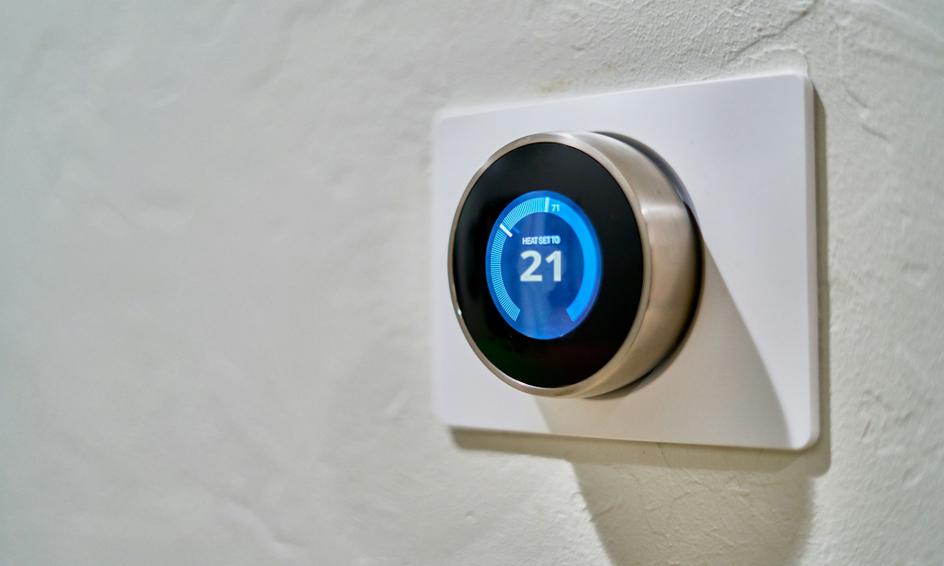
Are you thinking about upgrading your heating system with a smart thermostat? These clever devices promise better comfort, lower energy bills, and remote control via your phone, but they’re not always the right choice for every home. Here’s what to know, and when you’d be wise to call in a pro.
What is a smart thermostat?
A smart thermostat replaces your old wall thermostat and connects to your central heating system via Wi-Fi. You can control it using an app, and some even learn your schedule over time, automatically adjusting heating when you’re away to save energy.
Key Benefits
- Energy savings: homes can cut heating costs by 10–15 % by using programmable schedules and learning routines.
- Remote control: forgot to turn the heating off before work? No problem, you can adjust it on your phone!
- Comfort optimisation: some smart thermostats learn your habits and make subtle schedule adjustments to match your routine.
Is a smart thermostat right for you?
Smart thermostats are compatible with most combi boilers and many system boilers, provided your wiring includes a live feed to the thermostat (commonly labelled L, N, and switched live). Older gravity-fed systems or homes with mechanical timers may not support them.
If your current thermostat wiring lacks the necessary connections, or if you’re unsure which system you have, it’s best to hire a qualified heating engineer to assess compatibility and complete the wiring work safely.
Installation: DIY or call a tradesperson?
Installing a smart thermostat involves working with 240 V mains electricity and gas-boiler wiring, which is potentially dangerous. Unless you have electrical qualification or experience, getting a qualified installer is highly recommended. If your boiler is under warranty, check that installation by a certified professional is required to avoid voiding it.
Choosing the right model – things to consider
- Integration: does it work with your heating brand, or services?
- Smart features: do you want voice control, learning mode, occupancy sensors, geofencing, and energy usage reports?
- User interface: do you want an at-home touch screen, or app control?
Common issues
- Mis-timed heating cycles: poor zoning or improper wiring can lead to short cycling or under‑heating.
- Signal drops: if linked to a wireless thermostat receiver, make sure there’s no interference.
- Battery drain: for battery-powered models, watch for low‑battery alerts, or go for wired models instead.
A smart thermostat can make your home more comfortable, efficient, and eco‑friendly—but only if it’s installed correctly and paired with a compatible system. Before you make a decision, book a Gas Safe–registered engineer to check your boiler and wiring. With the right setup, remote control, learning schedules, and smart features can make a real difference in everyday comfort, not to mention your energy bills.