Looking for a better deal on your insurance? Get a quote
Become a registered trader - Join us


Homeowner Advice

General tips and advice for homeowners covering maintenance, seasonal tips and everyday property care.

Homeowner Advice

Damp Patch in the Ceiling: Causes and Fixes, and When to Call a Professional

Few things worry homeowners more than spotting a damp patch spreading across the ceiling. Not only is it unsightly, but if left untreated it can lead to mould, structural damage, and expensive repairs. Identifying the cause early and knowing when to take action yourself, and when to bring in a professional, can save you time, money, and stress.

Few things worry homeowners more than spotting a damp patch spreading across the ceiling. Not only is it unsightly, but if left untreated it can lead to mould, structural damage, and expensive repairs. Identifying the cause early and knowing when to take action yourself, and when to bring in a professional, can save you time, money, and stress.

Common causes of ceiling damp

Roof leaks - in the UK’s wet climate, damaged tiles, cracked flashing, or blocked gutters are common causes of water making its way through the roof and into ceilings.

Plumbing - leaks from pipes or bathroom fittings above the ceiling can quickly result in damp patches. A slow drip from a bath waste pipe or a leaking shower seal often goes unnoticed until the damage appears below.

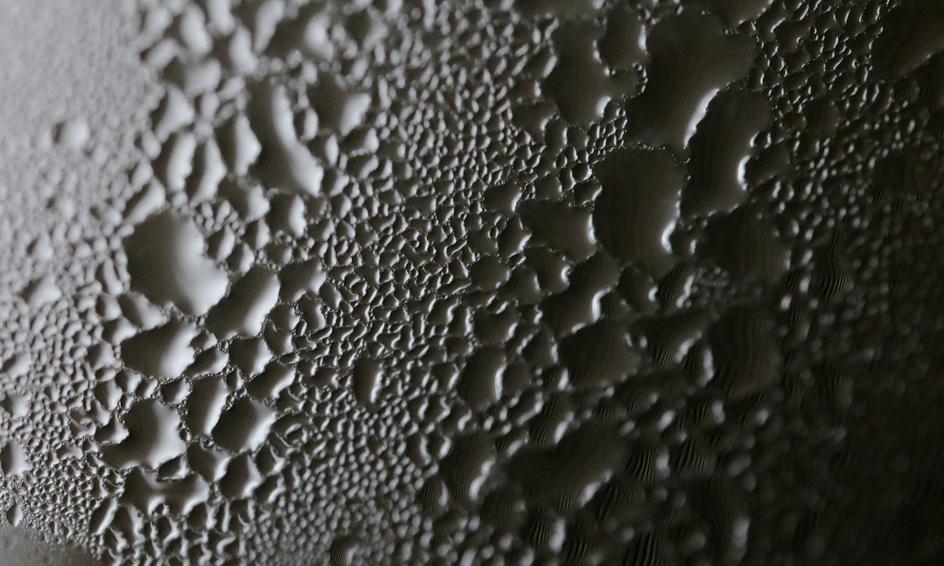
Condensation - in rooms such as kitchens or bathrooms, poor ventilation can lead to excess condensation. Over time, this moisture collects on cold surfaces like ceilings, causing damp spots and mould.

Flat roof leaks - flat roofs are more prone to pooling water and drainage issues. Small cracks in the felt or membrane can allow water to seep through and cause ceiling staining.

Simple fixes

If the damp patch is minor and the source of the moisture is obvious, there are some steps you can take:

  1. Clear gutters and downpipes: blocked gutters often cause rainwater to overflow into walls and ceilings. A quick clean-out can resolve the issue.
  2. Check for missing tiles: from ground level, perhaps with binoculars, look for slipped or broken roof tiles. If it’s a small area and you’re confident with DIY, replacing a tile may solve the problem.
  3. Improve ventilation: for condensation-related damp, install or upgrade extractor fans in bathrooms and kitchens, and use a dehumidifier to reduce moisture in the air.
  4. Seal bathroom fittings: resealing around baths, showers, and sinks with silicone can stop water escaping into ceilings below.

Once the source is fixed and the area is dry, you may need to treat stained plaster with a stain-blocking primer before redecorating.

When to call a professional

If you’re in any doubt about working at height, it’s best to consult a roofer straight away. Even if you’re confident up a ladder, some damp problems are beyond the scope of a DIY fix. You should call in a professional if:

  • The damp patch is large or spreading quickly.
  • You can’t identify the source of the leak.
  • The issue involves flat roof damage or major roofing work.
  • There are signs of mould growth that could pose health risks.
  • Plumbing repairs require work on hidden or complex pipework.

Roofers, plumbers, and damp specialists have the expertise and equipment to find the root cause and carry out repairs safely.

Don’t be tempted to ignore that damp patch; it won’t go away! Acting quickly is the key, and the sooner you deal with the cause, the less damage it will do to your home. For more tips, follow us on Facebook or X.

Looking for more homeowner advice advice?

Find clear, practical answers to common homeowner advice questions, helping homeowners understand everyday issues, know what checks they can carry out safely, and when it is best to contact a qualified professional.

  • What home repairs should I never attempt myself?

    Gas work - full stop. Any work on gas appliances must be done by a Gas Safe registered engineer by law. Structural changes like removing walls, altering roof timbers, or touching anything load-bearing need professional assessment and often Building Regulations sign-off. Electrical work involving the consumer unit or new circuits must meet Part P. And if your property was built before 2000, be aware asbestos may be present - it can only be handled by a licensed specialist.

  • Which home improvements add the most value to a property?

    Improvements that add usable space or modernise the rooms buyers scrutinise most tend to deliver the strongest returns. Loft conversions consistently top the list - adding a bedroom and bathroom can add more value than the work costs in many areas. Kitchen and bathroom updates are next. Open-plan ground-floor extensions connecting to a kitchen-diner have become one of the most sought-after layouts in UK family homes. And energy improvements - insulation, a new boiler, solar panels - are increasingly influencing buyer decisions as running costs become a bigger part of the conversation.

  • Should I renovate my home or move house?

    There's no universal right answer - it depends on your situation. Moving gets you what you want without living through a building site, but stamp duty, estate agent fees, and moving costs can easily add up to tens of thousands of pounds. Renovating lets you stay put and invest in your own property, but comes with disruption and unexpected costs. The most useful comparison: get a clear view of what your home could realistically be worth after the work, and what a move would actually cost end to end. A local estate agent and a builder's quote can give you those two numbers.

  • What does a home survey actually cover and do I need one when buying?

    A survey is an independent assessment of a property's condition carried out by a qualified surveyor - separate from the mortgage valuation, which only tells the lender what the property is worth, not what's wrong with it. A HomeBuyer Report flags visible defects and anything that needs further investigation. A Full Building Survey goes deeper and is worth the extra cost on older, larger, or unusual properties. Given that a house is likely the biggest purchase you'll ever make, skipping the survey to save a few hundred pounds is a false economy - a single missed issue can cost far more to put right.

  • What should I do before starting any major home improvement project?

    Get your paperwork in order before anyone picks up a tool. Check whether you need planning permission or Building Regulations approval. Find out whether a Party Wall Agreement applies. Confirm your home insurance covers you during the works. Get at least three written quotes and make sure the scope of work is clearly agreed in writing with whoever you hire. And have a contingency budget - on almost any renovation, something unexpected comes up. The projects that go smoothly are usually the ones that were properly planned before they started.

  • What is the difference between freehold and leasehold and why does it matter for home improvements?

    If you own the freehold, you own the property and the land it sits on outright - you can generally do what you like subject to planning rules. If you own a leasehold property (common with flats), you own the right to live there for the remaining lease term, but the freeholder owns the building. This matters for home improvements because many leases require you to get the freeholder's written permission before making alterations - sometimes even internal ones. Always check your lease before starting any work, as doing alterations without the required consent can cause problems when you come to sell.

Have a question about TrustATrader?

If you have a question in relation to TrustATrader specifically, please check out the TrustATrader FAQs, with separate lists tailored to consumers and tradespeople. Alternatively, get in touch with our team. We're happy to help!