Looking for a better deal on your insurance? Get a quote
Become a registered trader - Join us


Homeowner Advice

General tips and advice for homeowners covering maintenance, seasonal tips and everyday property care.

Homeowner Advice

Tumble Dryer Basics

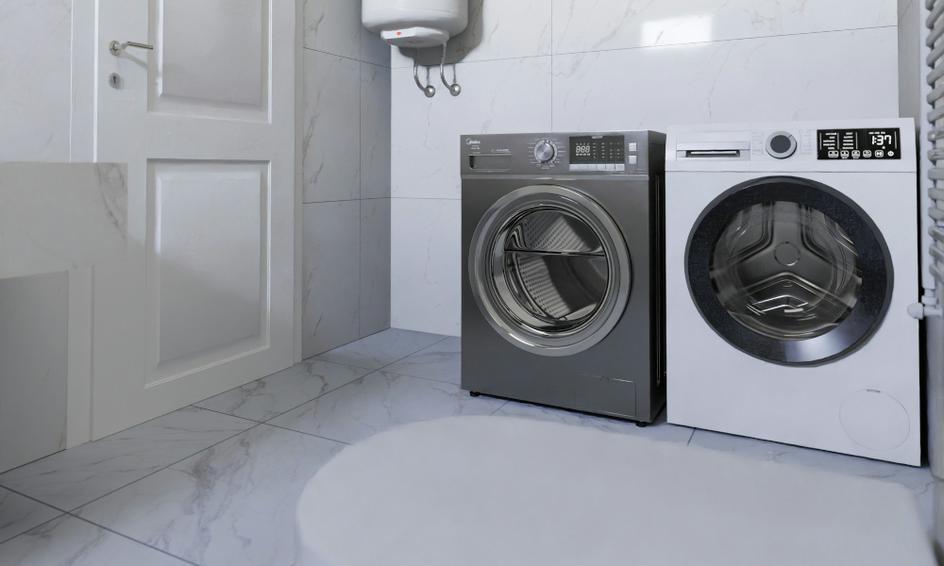
When it comes to household chores, tumble dryers can make all the difference, especially during the colder, wetter months. But with so many different types available, it can be tricky to know which one is right for you.

When it comes to household chores, tumble dryers can make all the difference, especially during the colder, wetter months. But with so many different types available, it can be tricky to know which one is right for you.

If your current tumble dryer isn’t working, call an electrician before you condemn it to the recycling centre; there may be an easy fix. If it’s beyond repair or you’re investing in your first dryer, here’s what you need to know.

Vented dryers

Vented dryers expel hot, damp air through a hose, which usually needs to go out of a window or through a wall vent.

Pros:

  • Generally the cheapest option to buy.
  • Simple design means they’re often reliable and easy to repair.
  • Usually dry clothes quickly.

Cons:

  • Need to be placed near an external wall or window for ventilation.
  • Less energy-efficient compared to newer technologies.
  • Limited installation options if space is tight.

Condenser dryers

Condenser dryers collect moisture from clothes in a tank, which you empty after each cycle, or they can be plumbed in to drain automatically.

Pros:

  • Can be installed almost anywhere, no vent needed.
  • Easier to move if you change homes or rearrange your laundry space.
  • Usually mid-range in terms of price.

Cons:

  • Water tank needs regular emptying (unless plumbed).
  • Less energy-efficient than heat pump dryers.
  • Can generate more heat and moisture in the room, so ventilation is still recommended.

Heat pump dryers

This type of condenser dryer reuses hot air to dry clothes, making them much more energy-efficient.

Pros:

  • Very energy-efficient, saving money on electricity bills.
  • Gentle on fabrics, reducing wear and tear.
  • No external vent required.

Cons:

  • More expensive upfront.
  • Drying cycles can take longer than with vented or condenser dryers.
  • Slightly more complex technology, which can mean higher repair costs.

Washer-dryer combos

A single appliance that washes and dries clothes.

Pros:

  • Space-saving – perfect for smaller homes or flats.
  • No need to move laundry from one machine to another.
  • Convenient if you only do small loads at a time.

Cons:

  • Drying capacity is usually smaller than washing capacity, so you can’t dry a full wash load at once.
  • Less energy-efficient than standalone dryers.
  • If it breaks, you lose both washer and dryer functions.

Choosing the right tumble dryer for you

The right tumble dryer for your needs depends on a range of factors including your budget, space and location restrictions, and your energy-saving priorities.

If you’re on a budget, a vented dryer will probably be the best option for you, although it will cost more in the longer term. If you don’t have space to fit a tumble dryer hose, you’ll need to opt for a condenser dryer or heat pump dryer. If space is a problem, then a washer-dryer will be the right choice, and if your priority is long-term energy efficiency, then a heat pump dryer is best as it uses half as much energy as a vented dryer.

Was this useful? For more tips, follow us on Facebook or X.

Looking for more homeowner advice advice?

Find clear, practical answers to common homeowner advice questions, helping homeowners understand everyday issues, know what checks they can carry out safely, and when it is best to contact a qualified professional.

  • What home repairs should I never attempt myself?

    Gas work - full stop. Any work on gas appliances must be done by a Gas Safe registered engineer by law. Structural changes like removing walls, altering roof timbers, or touching anything load-bearing need professional assessment and often Building Regulations sign-off. Electrical work involving the consumer unit or new circuits must meet Part P. And if your property was built before 2000, be aware asbestos may be present - it can only be handled by a licensed specialist.

  • Which home improvements add the most value to a property?

    Improvements that add usable space or modernise the rooms buyers scrutinise most tend to deliver the strongest returns. Loft conversions consistently top the list - adding a bedroom and bathroom can add more value than the work costs in many areas. Kitchen and bathroom updates are next. Open-plan ground-floor extensions connecting to a kitchen-diner have become one of the most sought-after layouts in UK family homes. And energy improvements - insulation, a new boiler, solar panels - are increasingly influencing buyer decisions as running costs become a bigger part of the conversation.

  • Should I renovate my home or move house?

    There's no universal right answer - it depends on your situation. Moving gets you what you want without living through a building site, but stamp duty, estate agent fees, and moving costs can easily add up to tens of thousands of pounds. Renovating lets you stay put and invest in your own property, but comes with disruption and unexpected costs. The most useful comparison: get a clear view of what your home could realistically be worth after the work, and what a move would actually cost end to end. A local estate agent and a builder's quote can give you those two numbers.

  • What does a home survey actually cover and do I need one when buying?

    A survey is an independent assessment of a property's condition carried out by a qualified surveyor - separate from the mortgage valuation, which only tells the lender what the property is worth, not what's wrong with it. A HomeBuyer Report flags visible defects and anything that needs further investigation. A Full Building Survey goes deeper and is worth the extra cost on older, larger, or unusual properties. Given that a house is likely the biggest purchase you'll ever make, skipping the survey to save a few hundred pounds is a false economy - a single missed issue can cost far more to put right.

  • What should I do before starting any major home improvement project?

    Get your paperwork in order before anyone picks up a tool. Check whether you need planning permission or Building Regulations approval. Find out whether a Party Wall Agreement applies. Confirm your home insurance covers you during the works. Get at least three written quotes and make sure the scope of work is clearly agreed in writing with whoever you hire. And have a contingency budget - on almost any renovation, something unexpected comes up. The projects that go smoothly are usually the ones that were properly planned before they started.

  • What is the difference between freehold and leasehold and why does it matter for home improvements?

    If you own the freehold, you own the property and the land it sits on outright - you can generally do what you like subject to planning rules. If you own a leasehold property (common with flats), you own the right to live there for the remaining lease term, but the freeholder owns the building. This matters for home improvements because many leases require you to get the freeholder's written permission before making alterations - sometimes even internal ones. Always check your lease before starting any work, as doing alterations without the required consent can cause problems when you come to sell.

Have a question about TrustATrader?

If you have a question in relation to TrustATrader specifically, please check out the TrustATrader FAQs, with separate lists tailored to consumers and tradespeople. Alternatively, get in touch with our team. We're happy to help!