-
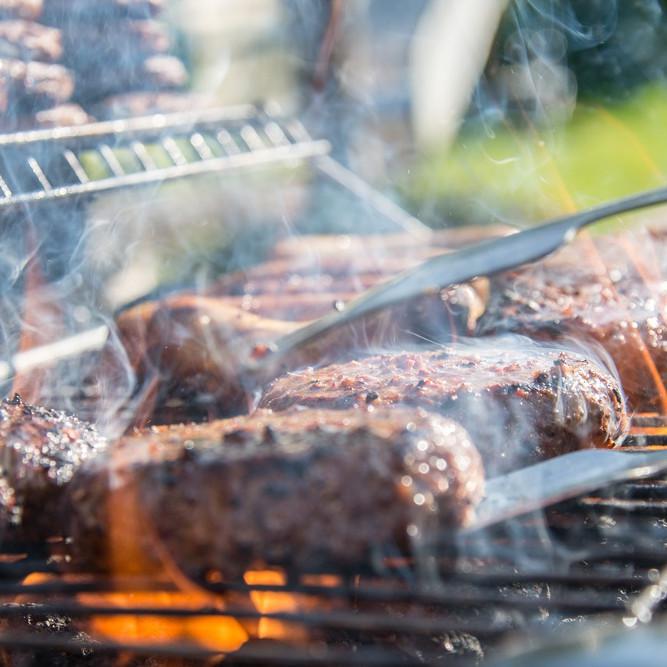
Do you love dining al fresco? If you enjoy nothing more than a barbie in the garden, it is probably worth getting a good barbecue. Of course, you could spend hundreds of pounds on buying a new one but making your own is fun, cheap and will last for years. What’s not to love about that?If you are planning on building a brick barbecue and you have no bricklaying experience, it may be best to find an online instruction film to help you or employing a builder or handyman. However, if you do have some experience, this guide will help you.You Will Need:Bricks or breeze blocks– these can be bought new, or you can look for reclaimed sparesPaving slabsBarbecue set – you can buy grill pans and grills online, from about £30Brick settsCementSandSpadeTrowelSpirit levelHosepipe.Planning Your BarbecueFirst, choose the best spot. Make sure the new spot is level, out of the wind and away from anything flammable. If you are in doubt, you can always have a portable barbecue in the spot to see if it is right. There are two types of barbecue to choose from: a basic barbecue, or one with a stone side table, too. Do a bit of research and plan your barbecue according to your creativity, ability and tastes. Once you have decided on the size and design, you can calculate how many bricks you need. Lay your barbecue grill and (if you are making a side table) stone slab on the ground and lay out a surround of bricks, keeping as many as possible whole. You will end up with a capital E in bricks. This will tell you how many bricks you need per row. Based on a barbecue 13 bricks high, multiply the number of bricks in your E by 14 – to give you a few spares.The BuildUsing a mix of 5 parts sand to one part cement, fix your bricks. Use the spirit level at each stage to ensure that it is even. On the seventh course (row), on the left hand and inner walls, place the bricks side-on to create a ledge for the tray to sit on. Lay another three complete course and use side-on bricks on the 11th course (row) for the grill. Another two rows will give you a completed barbecue but if you want to add a warming grill, complete four more courses around the grill section only. make ledges on the 16th row and finish off with two more courses. Finally, cement a stone slab onto the side table section to complete your work area.Once your build has dried, you are ready to enjoy many years of happy barbecuing!
-
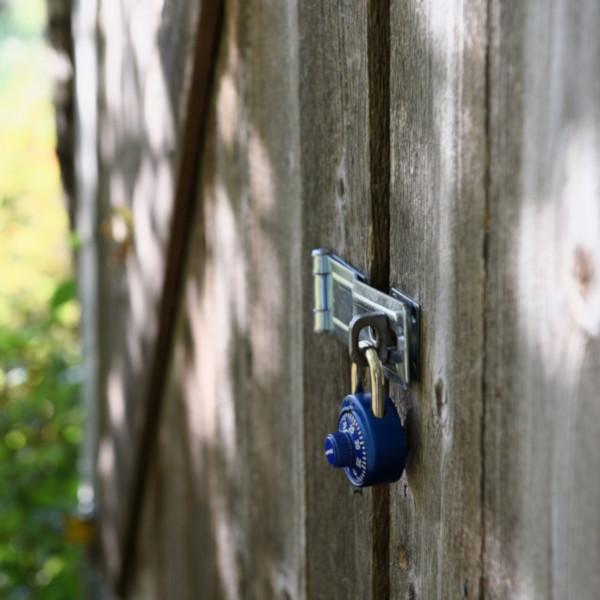
As the days are growing warmer and longer, plenty of us are bringing the garden furniture out, or treating ourselves and investing in new garden accessories. Whether it is a loved set of garden chairs, a paddling pool, a flash new barbeque or gardening tools, most gardens tend to contain a few high-value items.While we spend a lot of time and effort securing the items inside our home, all too often, we forget to take care of the things in our garden. What’s more, if possessions go missing and they were not appropriately secured, you are unlikely to be covered by insurance. We look at simple measures that you can take to make sure your property stays safe.1. Check the AccessIf your garden is easy to get into: low fences, a gate that doesn’t lock, gaps in the fence, opportunistic thieves can’t just see what is in your garden, they can get to it easily, too. If you have a low wall, there is no need to block yourselves in completely, but trellis can make your garden harder to get into. Make sure that you shut and lock your gate when you are not in the garden and take a little time to look for and fix any gaps in the fence. If there is a “risk” area of your fence, where your garden can be more easily accessed, for example, by a busy road, consider growing a prickly climber up the trellis or fence.2. StorageYou know the saying “out of sight, out of mind”? Well, it is true when it comes to opportunistic burglaries. If you are not using your lawn mower, bike or surfboard, don’t leave them in the garden - keep them out of temptation’s reach by storing them out of sight in the shed or garage. If you don’t have storage space, any kind of security will help; something as simple as padlocking a bike or kayak to a railing will make a big difference.3. SecurityGates and sheds are the first line of defence when it comes to keeping your garden secure, so it's worth investing in the best quality gate and shed that you can afford. Remember, you can always add additional locks to your shed door or gate for additional security. Exterior lights are an effective deterrent, too; motion activated ones are often enough to spook a would-be burglar, as well as alert you to any sudden movements in the garden.4. Get CoveredFinally, being the victim of a burglary is bad enough, but finding out that you're uninsured is even worse. If you have an expensive barbeque, garden furniture, tools or other equipment in your garden, check that your insurance covers it and that you take the appropriate measures to make a claim if you do need to.
-

With longer days and a rise in temperatures, June is a very rewarding month for most gardeners; pruned pants and newly planted shoots seem to double in size overnight. As tempting as it is to sit in the garden with a chilled drink while you admire your handiwork, it is more important that you stay on top of things in your garden. Here are the top gardening jobs for June – just a few minutes each day before you sit and relax with that drink will make all the difference.Get PinchingPinch off the tips of fuchsias to promote a bushy plant and a healthy crop of flowers. Likewise, pinch off side shoots on your tomato plants. If you don’t want to discard the pinched shoots, you can replant them – but be prepared for a hefty tomato crop!Pick AwayAs soon as you notice your sweet peas flowering, get picking! Not only will they look beautiful on the kitchen table, but picking will help to stimulate more growth. Deadhead roses to encourage new flowers. Start harvesting early lettuce, tomatoes and new potatoes. If you get into a habit of harvesting and re-sowing salad crops, you should be able to maintain a steady supply of delicious home-grown leaves throughout the summer. Finally, keep an eye on your onion and garlic plants – once the leaves turn yellow and start to wilt, they are ready to pick.Tame Unruly ClimbersClimbers such as vines, honeysuckle and clematis, have a habit of getting out of control very quickly. As new shoots grow, tie them back using soft-tie wrap to help keep them in order. Likewise, tie back or stake out tall perennials to help prevent wind damage.PlantingAs we say “hello” to summer, we should finally be past the risk of a night frost. This is a great time to plant out your vegetable seedlings – courgettes, squash and sweet corn should flourish in the warmer weather. If you haven’t planted runner beans yet, there is still time! Don’t worry about sowing indoors, you can sow outside directly into the ground.Mowing and WeedingThe downside of a flourishing garden is that grass and weeds will grow more quickly, too. A vibrant lawn is fantastic – but you will need to mow it at least once a week to keep it lush. Hoe your borders regularly to keep on top of weeds – when it comes to weeding, little and often is a good idea; a few minutes a day really will help to keep the weeds away!Are you getting behind on your gardening jobs? If there are some jobs that you just can’t seem to manage, you might want to consider getting a gardener in to help you. Even if it’s just for a regular weed and mow, a professional gardener can get the job done so that you can enjoy the fun bits.If you’re having fun in the sun, share your gardening photos with us on Facebook or Twitter.
