Looking for a better deal on your insurance? Get a quote
Become a registered trader - Join us


Landscaping & Gardening

Top tips on all things garden design, including fencing, lawn care, planting and outdoor improvements.

Landscaping & Gardening

The Ultimate Guide to Conservatory Cleaning

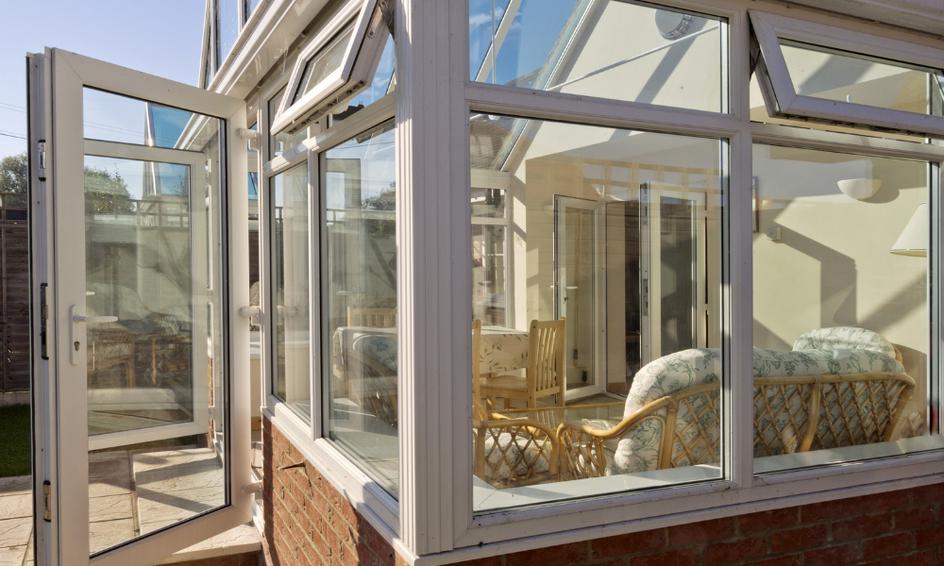
A conservatory is a bright space that can be used all throughout the year for relaxing and entertaining or working remotely. However, conservatories are exposed to the elements, so they require specialist treatment compared to other areas of a property. Regular conservatory cleaning is vital to maintaining the space and keeping it looking fresh and welcoming.

A conservatory is a bright space that can be used all throughout the year for relaxing and entertaining or working remotely. However, conservatories are exposed to the elements, so they require specialist treatment compared to other areas of a property. Regular conservatory cleaning is vital to maintaining the space and keeping it looking fresh and welcoming.

Why Regular Conservatory Cleaning is Essential

As time goes by, dirt and debris can build up on your conservatory’s glass which can lead to:

  • Reduced natural lighting
  • Neglected appearance
  • Staining on glass or framework
  • Algae and moss growth

If left untreated, these issues become much harder to treat and could potentially cause long-term, costly damage. That’s why homeowners look for professional services like conservatory cleaning to make sure the job is done properly.

What Professional Conservatory Cleaning Involves

A professional clean is much more in depth compared to a rush DIY job. It covers multiple aspects of the conservatory such as:

External Roof/Glass Cleaning

The roof is the toughest part to clean. Exposure to rain and leaves means algae builds quickly on the glass. Experts use specialist equipment and conservatory roof algae cleaner to remove organic growth without causing damage to seals or glass coatings. This makes sure to restore the conservatory so it can let back in natural light and offer clear views again.

Frames, Seals and Gutters

Frames and seals easily gather dirt, particularly in the cracks and corners. Professional cleaners meticulously clean these areas and can clear blockages in the gutters to reduce the risk of water build-up.

Internal Conservatory Cleaning

There is lots of focus on the outer sides of a conservatory but the inside is just as important. It doesn't take long to collect condensation and dust which can dull the glass and make the space feel less inviting. If you are looking for a deeper internal cleaning, internal conservatory cleaning services can help to restore the interior.

DIY Cleaning vs Hiring a Professional Cleaner

Anyone can do light cleaning at home like dusting corners and wiping the glass but conservatory roofs or gutters can be unsafe to access without the right training and equipment. If you use the wrong chemicals or pressure it can cause damage to glass coatings or frames which can lead to costly repairs down the line. It’s best to seek expert help to achieve top results that you are looking for.

How Often Should a Conservatory Be Cleaned?

Most conservatories will benefit from:

  • Professional cleaning the internal glass at least once or twice a year
  • Light household cleaning as frequent as suitable for the household
  • Professional external cleaning at least once per year

It could be that if you live by trees or in areas of more extreme weather, maintenance may be required more often. It can help to increase the lifespan of your conservatory and keep it tidy and free from excess dirt build up.

A clean conservatory improves a home's appearance and natural light. To create a more enjoyable living space, it’s worth investing in professional cleaning services to save time and deliver prolonged results. For trusted local experts, explore Conservatory Cleaning and Internal Conservatory Cleaning services so your home stays looking its best for as long as possible.

Looking for more landscaping & gardening advice?

Find clear, practical answers to common landscaping & gardening questions, helping homeowners understand everyday issues, know what checks they can carry out safely, and when it is best to contact a qualified professional.

  • Do I need a professional to design and landscape my garden?

    For simple stuff - planting, basic lawn care, a few raised beds - you can often manage it yourself. For anything involving hard landscaping, drainage, retaining walls, or changing ground levels, get a professional involved.

    Badly built retaining walls and poor drainage cause expensive problems. A landscaper will also know which materials will actually work for your soil and conditions.

  • What is the difference between a landscaper and a gardener?

    A gardener looks after your garden on an ongoing basis - mowing, pruning, planting, general upkeep. A landscaper creates the garden in the first place - patios, paths, fencing, decking, drainage, planting schemes, the whole structure. Some people do both, but they're distinct skill sets.

    If you want the garden transformed rather than maintained, a landscaper is who you need.

  • How do I get rid of an overgrown garden?

    It's often more work than it looks. Beyond cutting things back, there may be significant root systems to clear, possibly invasive species to deal with (Japanese knotweed needs specialist handling), and ground prep before any replanting can happen.

    For anything seriously overgrown, professional clearance is going to be faster, more thorough, and safer than tackling it yourself.

  • What time of year is best for garden landscaping work?

    Hard landscaping - patios, paths, decking, fencing - can happen most of the year, though very wet or frozen ground causes delays. Planting is best in spring or autumn when things establish more easily.

    If you're planning something big, book a landscaper in late winter for spring work - good ones fill up fast once the season gets going.

  • What should I do if I have Japanese knotweed in my garden?

    Take it seriously. It can damage buildings and hard surfaces, and some mortgage lenders won't lend on properties where it's present and unmanaged. You're not legally required to remove it as long as it stays within your boundary, but you are responsible for stopping it from spreading to neighbouring land.

    It needs specialist treatment - either chemical treatment over multiple growing seasons, or excavation and licensed disposal. Don't compost it or put it in your general garden waste.

  • What are the benefits of artificial grass?

    The obvious one: no mowing. It stays looking decent all year and doesn't turn to mud in winter, which is a real plus for households with kids or dogs. Modern artificial grass is much more realistic than it used to be and holds its colour well. Worth knowing though: it gets noticeably hot in direct sun, needs occasional brushing, and is made from plastic that can't currently be recycled at end of life.

    It's a great fit for a low-maintenance, practical space - less so if the environmental benefits of a real lawn matter to you.

  • How can I make my garden low-maintenance?

    Cut down the amount of lawn first - it needs more regular attention than almost anything else. Swapping sections for hard landscaping or planted beds with ground-cover plants makes a real difference.

    Pick plants that suit your soil and aspect - ones that are happy where they are will largely look after themselves once established.

    A thick bark mulch layer keeps weeds down and holds moisture. A drip irrigation system on a timer removes another regular task. A good landscaper can design a scheme specifically around low maintenance rather than just what looks attractive.

  • Do I need planning permission for decking, a pergola, or a garden room?

    Decking is usually fine under Permitted Development as long as it's no more than 30cm above ground and doesn't cover more than half the garden. Open pergolas are generally okay - but start enclosing them with a roof and sides and they get treated differently.

    Garden rooms are classed as outbuildings: permitted if single-storey, within size limits, not used as living accommodation, and set back properly from boundaries. Listed buildings are a different matter - any structure nearby needs listed building consent. If you're not sure, a quick inquiry to your local planning authority will give you a clear answer before you spend anything.

Have a question about TrustATrader?

If you have a question in relation to TrustATrader specifically, please check out the TrustATrader FAQs, with separate lists tailored to consumers and tradespeople. Alternatively, get in touch with our team. We're happy to help!