Looking for a better deal on your insurance? Get a quote
Become a registered trader - Join us


Bathrooms

Tips and guidance on bathroom renovations, design ideas, budgeting and professional installation.

Bathrooms

Small but Mighty: Big Transformations for Small Bathrooms

When it comes to home upgrades, small bathrooms are often underestimated. Yet with the right approach, even the most compact space can feel stylish, functional and surprisingly luxurious.

When it comes to home upgrades, small bathrooms are often underestimated. Yet with the right approach, even the most compact space can feel stylish, functional and surprisingly luxurious.

Whether you’re working with a tight en-suite or a narrow family bathroom, smart planning and creative thinking can completely transform the room. The key is to find small bathroom design ideas that maximise every inch while still reflecting your personal style.

Step One: Consider the Layout

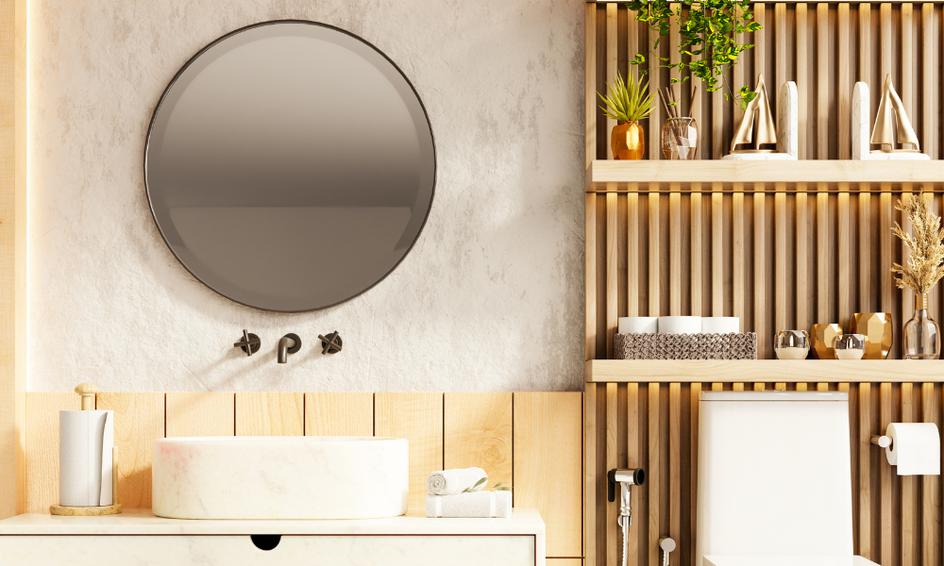
One of the biggest wins in a small bathroom remodel is layout. Before choosing tiles or taps, consider how the space is used day to day. Wall-hung toilets and floating vanities are game changers, freeing up valuable floor space and creating a lighter, more open feel. Corner sinks or slimline basins can also make a huge difference in especially narrow rooms, keeping walkways clear without sacrificing practicality.

Step Two: Think Storage

What you can’t see in your bathroom is as important as what you can see… Clutter is the enemy of small spaces, so built-in solutions work best. Recessed shelves in shower walls, mirrored cabinets and vanity units with deep drawers allow you to store essentials without overwhelming the room. Think vertically too: tall cabinets or shelving above door frames can provide extra storage while keeping the footprint minimal.

Step Three: Colour Counts

When it comes to finishes, lighter colours tend to work wonders, but that doesn’t mean small bathrooms need to be boring. Soft neutrals, warm whites and pale greys help reflect light and make the room feel larger. For added personality, introduce texture through tiles or subtle patterns. Large-format tiles are a popular choice for small bathroom inspiration as they reduce grout lines, creating a cleaner and more expansive look. Alternatively, vertical tile layouts can visually heighten the space, making ceilings feel taller.

Step Four: Lighting

Lighting is often overlooked but plays a major role in any small bathroom remodel. A combination of ambient, task and accent lighting will elevate the room instantly. LED mirrors provide excellent task lighting while also bouncing light around the space. Recessed spotlights keep ceilings uncluttered, and soft accent lighting under vanities or shelves adds a high-end touch without taking up room.

Step Five: The Wow Is in the Details

Finally, don’t underestimate the power of details. Compact bathrooms benefit from cohesive design choices, so matching finishes such as taps, towel rails and shower frames help create a polished look. Frameless shower screens, instead of bulky enclosures or curtains, allow sightlines to flow uninterrupted, making the room feel bigger and brighter.

Small bathrooms may be limited in size, but they’re full of potential. With clever layouts, thoughtful storage and carefully chosen finishes, your space can feel anything but cramped. If you’re searching for small bathroom inspiration, remember: small really can be mighty when designed and installed by an experienced bathroom fitter.

Looking for more bathrooms advice?

Find clear, practical answers to common bathrooms questions, helping homeowners understand everyday issues, know what checks they can carry out safely, and when it is best to contact a qualified professional.

  • Do I need a plumber or a bathroom fitter to install a new bathroom?

    For a simple swap - same bath, toilet, or basin in the same spot - a plumber can usually handle it. For a full renovation with layout changes, tiling, and proper waterproofing, a bathroom fitter is the better choice. Many larger jobs need both, or a fitter who subcontracts the plumbing. Be upfront about what you want when you're getting quotes - it makes a difference.

  • What are the most popular bathroom design trends right now?

    Walk-in showers with frameless glass are still the most popular choice - they look great and make the space feel bigger. Wall-hung toilets and basins are increasingly common for the clean look and easier cleaning underneath. Brushed brass and matte black are the tap finishes people are going for right now, largely replacing chrome. Warmer tones - stone, clay, warm whites - have pushed out the all-grey bathroom of the last decade. And underfloor heating and digital showers are increasingly being planned in from the start rather than added as an afterthought.

  • What is the difference between a wet room and a shower room?

    A shower room has a shower enclosure - the shower is contained within its own space. A wet room is different: the whole floor is waterproofed and slopes to a drain, with no enclosure at all. Wet rooms look clean and minimal and work really well for people with limited mobility. The catch is they need far more thorough waterproofing during installation - any gaps and you'll get water getting into the structure. Using a professional is an absolute must!

  • Do bathroom renovations require Building Regulations approval?

    A like-for-like replacement generally doesn't. But if you're moving a soil pipe, adding new electrical circuits, or making structural changes, it might. The one constant: any electrical work in a bathroom has to comply with Part P, regardless of how small the job is. If you're unsure, your installer or local building control team can tell you what's needed before you commit.

  • How long does it take to fit a new bathroom?

    A full installation in an average bathroom typically takes five to ten working days, depending on how complex the layout is and how much tiling's involved. A straight swap with no layout changes can often be done in two to three days. Plan for some disruption either way, and make sure you've got access to another bathroom while the work's on.

  • Can I install a walk-in shower myself or do I need a professional?

    The enclosure and screen? Potentially DIY-able if you're confident. But the plumbing and electrical side - no. Electrical work in bathrooms falls under Part P regulations with strict rules around anything near water. Waterproofing is also something people tend to underestimate - get it wrong and you're looking at expensive water damage down the line. For a full walk-in shower installation, get a professional in.

Have a question about TrustATrader?

If you have a question in relation to TrustATrader specifically, please check out the TrustATrader FAQs, with separate lists tailored to consumers and tradespeople. Alternatively, get in touch with our team. We're happy to help!