Looking for a better deal on your insurance? Get a quote
Become a registered trader - Join us


Energy & Sustainability

Advice on insulation, renewable energy solutions, efficiency upgrades and reducing energy costs.

Energy & Sustainability

Simple DIY Checks to Lower Your Energy Bills

As autumn arrives, thoughts are turning towards two things: the autumn budget and the inevitable rise in fuel bills. With most households keen to make savings where they can, making small, simple changes around your home can make a noticeable difference to your monthly bill. The good news is that you don’t always need professional help; a few quick DIY checks can help keep your home warmer and your bills lower this season.

As autumn arrives, thoughts are turning towards two things: the autumn budget and the inevitable rise in fuel bills. With most households keen to make savings where they can, making small, simple changes around your home can make a noticeable difference to your monthly bill. The good news is that you don’t always need professional help; a few quick DIY checks can help keep your home warmer and your bills lower this season.

Check for draughts

Cold draughts are one of the biggest culprits when it comes to heat loss. Walk around your home and feel for chilly air coming through doors, windows, or even letterboxes. Simple fixes like self-adhesive draught strips, brush seals, or a low-cost draught excluder can make an immediate difference.

Inspect window seals

Damaged or worn seals around double glazing let warm air escape. A quick check of the rubber seals can show if they need repairing. Resealing windows with silicone or fitting secondary glazing film is a cost-effective DIY project that reduces heat loss.

Bleed your radiators

If your radiators feel warm at the bottom but cold at the top, trapped air is stopping them from heating efficiently. Bleeding radiators is a quick job with a radiator key and can significantly improve heating performance, reducing wasted energy.

Adjust your boiler settings

Many UK homes have boilers running hotter than they need to. Turning down the flow temperature (not the thermostat) to around 60°C can reduce energy usage without affecting comfort. Always check your boiler’s manual for safe adjustment.

Check loft insulation

Heat rises, and without proper insulation it escapes straight through the roof. Take a look in your loft – if insulation is less than 270mm thick, topping it up is one of the most effective ways to save money long-term. Rolls of insulation are widely available at DIY stores.

Monitor appliance energy use

Some appliances continue to draw electricity even when not in use. Check for devices left on standby and switch them off at the plug. Consider using smart plugs or timers to better control usage, especially for items like heaters or tumble dryers.

Fit reflective radiator panels

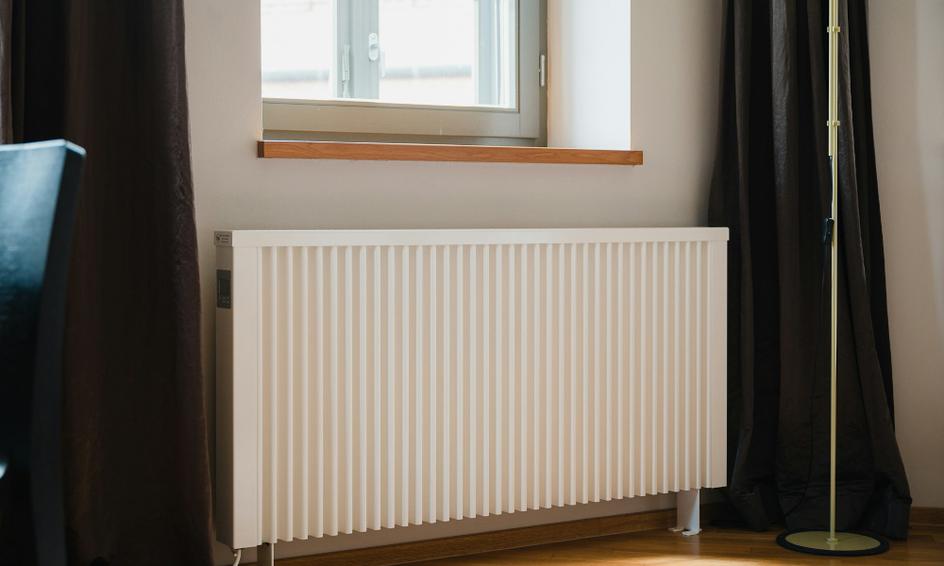
Radiators on external walls can lose a lot of heat. Installing reflective foil panels behind them is a quick DIY job that bounces heat back into the room instead of letting it escape through the wall.

Review lighting

As daylight fades earlier in autumn, we rely more on artificial light. Replacing old bulbs with LEDs is one of the simplest swaps you can make – and it can save up to 80% on lighting costs.

Small steps add up, and the sooner you start, the more you’ll save as the colder months approach. If you’re not confident doing these checks yourself, or you just don’t have the time, help is at hand with Trust A Trader. A reliable handyman should be able to help you with most of these tasks, and will let you know if you need to contact a specialist double-glazing, boiler, or insulation specialist. Want to know more? Follow us on Facebook or X.

Looking for more energy & sustainability advice?

Find clear, practical answers to common energy & sustainability questions, helping homeowners understand everyday issues, know what checks they can carry out safely, and when it is best to contact a qualified professional.

  • Is it worth getting solar panels installed on a UK home?

    Whether solar panels are worth it really depends on your situation. For many UK homeowners they can be a solid long-term investment - payback periods of seven to twelve years are realistic, and you can sell surplus electricity back to the grid through the Smart Export Guarantee. South-facing roofs with little shading get the best results.

    That said, roof orientation, shading, your energy usage, and how long you plan to stay in the property all affect whether the numbers add up for you. It's worth getting a few quotes and running the figures before committing.

  • What is a heat pump and should I replace my boiler with one?

    A heat pump pulls warmth from the outside air (or ground) and uses it to heat your home and hot water - it's more energy-efficient than a gas boiler when properly specified and installed. The key is whether your home is well-insulated. Heat pumps work best in efficient, well-sealed properties. In a draughty house, the benefits are more limited. The Boiler Upgrade Scheme currently offers up to £7,500 in grant funding, so it's worth getting a professional assessment of whether your home is a good candidate.

  • Are there government grants available for home energy improvements?

    Yes. The main ones right now are the Boiler Upgrade Scheme (for heat pumps), the Great British Insulation Scheme, and ECO4 (for eligible households). The details change regularly (eligibility, grant amounts, and which schemes are active) so check directly on GOV.UK or with your energy supplier for the current picture. Just bear in mind that installations need to be done by accredited installers for the grant to apply.

  • How do I know if my home has adequate insulation?

    High heating bills for the size of the property, cold walls and floors, condensation on internal walls, and draughts around loft hatches and window frames are all signs that heat is escaping. A professional energy assessor can survey the property and identify exactly where the losses are happening. Your Energy Performance Certificate (EPC) - if it's up to date - also gives you a useful starting point.

  • What is the Boiler Upgrade Scheme and am I eligible?

    The Boiler Upgrade Scheme (BUS) helps homeowners swap gas or oil boilers for low-carbon alternatives - mainly air source heat pumps, ground source heat pumps, and biomass boilers. As of 2024, the grant is worth up to £7,500 for a heat pump. To qualify, you need a valid EPC with no outstanding recommendations for loft or cavity wall insulation, and the installation has to be done by an MCS-certified installer. Eligibility and amounts do change, so check current terms on GOV.UK before making any decisions.

  • How do solar panels actually work?

    Solar panels are made up of photovoltaic (PV) cells that generate electricity from daylight - not just direct sunlight, which is why they still produce power on overcast days (just less of it). The electricity they generate is direct current (DC), which an inverter converts into the alternating current (AC) your home appliances use. Whatever you generate and use yourself reduces what you draw from the grid. Any surplus can be exported and you can get paid for it via the Smart Export Guarantee, or stored in a battery if you have one.

  • How long do solar panels last and do they need servicing?

    Most come with a 25-year performance warranty guaranteeing at least 80% of rated output - and many systems outlast that. The panels themselves have no moving parts, so they're low maintenance by nature. The inverter is the component most likely to need replacing, usually after 10 to 15 years. Rain generally keeps panels clean in the UK, but a professional clean every couple of years is worthwhile - particularly on low-pitched roofs where debris builds up.

  • How many solar panels does a typical UK home need?

    The average UK household uses around 3,500 kWh of electricity per year. A 4kWp system - roughly 8 to 10 panels - will generate around 3,400 kWh annually in average UK conditions. Smaller households might be fine with 3kWp; bigger homes or those with EVs and heat pumps will want more. The limiting factor is often your roof space, orientation, and shading rather than budget. An MCS-certified installer will model your specific situation and recommend the right size - this assessment really does make a difference to what you get out of it.

  • Why might solar panels not be right for my home?

    There are a few things worth keeping in mind that can affect whether solar panels make sense for your home. A north-facing roof receives less direct sun and will generate considerably less power, and significant shading from trees, chimneys, or neighbouring buildings can also have an impact. Some listed buildings and conservation areas have planning restrictions, so it's worth checking before going too far down the line. Homes that need re-roofing soon, or that have existing structural issues, may also face additional costs that change the overall picture. And if your household electricity usage is quite low, the payback period can extend more than you might expect.

Have a question about TrustATrader?

If you have a question in relation to TrustATrader specifically, please check out the TrustATrader FAQs, with separate lists tailored to consumers and tradespeople. Alternatively, get in touch with our team. We're happy to help!