Looking for a better deal on your insurance? Get a quote
Become a registered trader - Join us


Homeowner Advice

General tips and advice for homeowners covering maintenance, seasonal tips and everyday property care.

Homeowner Advice

Home Fixes: Repair or Replace?

Every home needs a little maintenance from time to time. But when something breaks, the big question is always the same: should you repair it or replace it altogether? From boilers and windows to electrical systems, knowing when to call for a quick fix and when to invest in a full upgrade can save you money, energy, and stress. Here’s how to decide what’s best for your home.

Every home needs a little maintenance from time to time. But when something breaks, the big question is always the same: should you repair it or replace it altogether? From boilers and windows to electrical systems, knowing when to call for a quick fix and when to invest in a full upgrade can save you money, energy, and stress. Here’s how to decide what’s best for your home.

Boilers

With proper servicing, most boilers last between 10 and 15 years. However, age and efficiency are key factors when deciding between repair and replacement.

If your boiler frequently loses pressure, makes strange noises, or needs repeated callouts, those repairs can quickly add up. Replacing an old boiler with a modern, energy-efficient model can cut heating bills by as much as 20–30% and reduce your carbon footprint. On the other hand, if your boiler is under 10 years old and the issue is minor, such as a faulty valve or thermostat, a simple repair from a Gas Safe registered engineer may be all that’s needed.

Tip: Annual servicing by a qualified heating engineer keeps your boiler running safely and extends its lifespan.

Windows

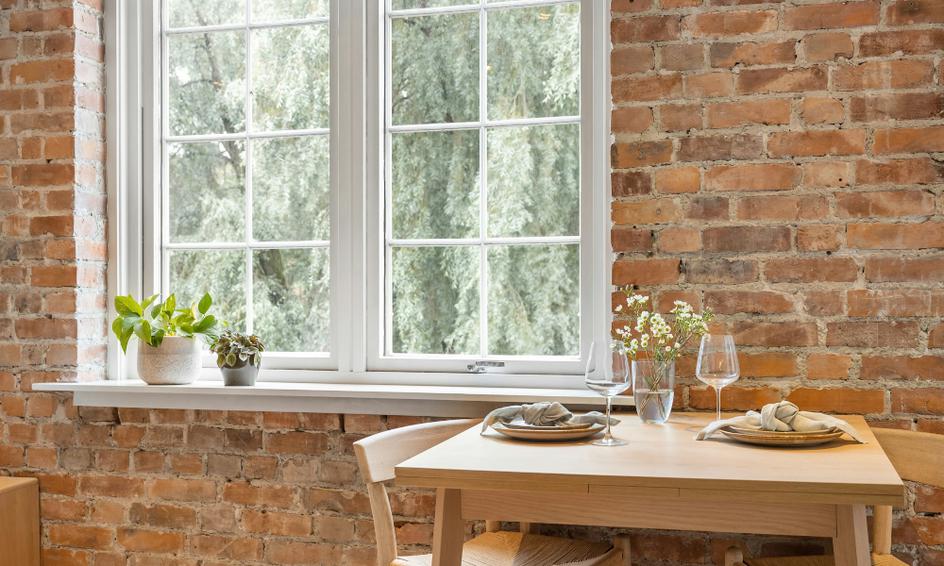
If your windows are draughty, stiff to open, or have condensation between the panes, they may need attention. In many cases, small issues like damaged seals, hinges, or locks can be repaired by a skilled glazier or window specialist. However, if your frames are rotting, warped, or single-glazed, replacing them with modern double- or triple-glazed units will significantly improve insulation and comfort.

New energy-efficient windows can reduce heat loss, cut noise, and even increase the value of your home. It’s an investment that often pays for itself over time through lower energy bills.

Tip: Regular cleaning and resealing can help prolong the life of existing windows and prevent future damage.

Electrics

Your home’s electrical system is easy to overlook, until something goes wrong. But when it comes to electrics, safety always comes before savings.

If you notice flickering lights, tripping circuits, burning smells, or buzzing sockets, call a qualified electrician immediately. Minor issues like broken switches or damaged sockets can usually be repaired quickly. However, if your wiring is over 25 years old, or your fuse box still uses old-style fuses instead of modern circuit breakers, a full rewire or consumer unit replacement is the safest option.

A modern electrical system not only protects your home from fire risks but also ensures compliance with current building regulations. Plus, it supports the growing number of smart devices and appliances in today’s homes.

Tip: Have your electrics inspected every 10 years (or 5 years for rented properties) by a certified electrician.

The decision to repair or replace depends on age, cost, and safety, but one thing is certain: ignoring problems is likely to make them worse. When in doubt, get advice from a trusted local tradesperson.

Want to know more? Follow Trust A Trader on Facebook or X.

Looking for more homeowner advice advice?

Find clear, practical answers to common homeowner advice questions, helping homeowners understand everyday issues, know what checks they can carry out safely, and when it is best to contact a qualified professional.

  • What home repairs should I never attempt myself?

    Gas work - full stop. Any work on gas appliances must be done by a Gas Safe registered engineer by law. Structural changes like removing walls, altering roof timbers, or touching anything load-bearing need professional assessment and often Building Regulations sign-off. Electrical work involving the consumer unit or new circuits must meet Part P. And if your property was built before 2000, be aware asbestos may be present - it can only be handled by a licensed specialist.

  • Which home improvements add the most value to a property?

    Improvements that add usable space or modernise the rooms buyers scrutinise most tend to deliver the strongest returns. Loft conversions consistently top the list - adding a bedroom and bathroom can add more value than the work costs in many areas. Kitchen and bathroom updates are next. Open-plan ground-floor extensions connecting to a kitchen-diner have become one of the most sought-after layouts in UK family homes. And energy improvements - insulation, a new boiler, solar panels - are increasingly influencing buyer decisions as running costs become a bigger part of the conversation.

  • Should I renovate my home or move house?

    There's no universal right answer - it depends on your situation. Moving gets you what you want without living through a building site, but stamp duty, estate agent fees, and moving costs can easily add up to tens of thousands of pounds. Renovating lets you stay put and invest in your own property, but comes with disruption and unexpected costs. The most useful comparison: get a clear view of what your home could realistically be worth after the work, and what a move would actually cost end to end. A local estate agent and a builder's quote can give you those two numbers.

  • What does a home survey actually cover and do I need one when buying?

    A survey is an independent assessment of a property's condition carried out by a qualified surveyor - separate from the mortgage valuation, which only tells the lender what the property is worth, not what's wrong with it. A HomeBuyer Report flags visible defects and anything that needs further investigation. A Full Building Survey goes deeper and is worth the extra cost on older, larger, or unusual properties. Given that a house is likely the biggest purchase you'll ever make, skipping the survey to save a few hundred pounds is a false economy - a single missed issue can cost far more to put right.

  • What should I do before starting any major home improvement project?

    Get your paperwork in order before anyone picks up a tool. Check whether you need planning permission or Building Regulations approval. Find out whether a Party Wall Agreement applies. Confirm your home insurance covers you during the works. Get at least three written quotes and make sure the scope of work is clearly agreed in writing with whoever you hire. And have a contingency budget - on almost any renovation, something unexpected comes up. The projects that go smoothly are usually the ones that were properly planned before they started.

  • What is the difference between freehold and leasehold and why does it matter for home improvements?

    If you own the freehold, you own the property and the land it sits on outright - you can generally do what you like subject to planning rules. If you own a leasehold property (common with flats), you own the right to live there for the remaining lease term, but the freeholder owns the building. This matters for home improvements because many leases require you to get the freeholder's written permission before making alterations - sometimes even internal ones. Always check your lease before starting any work, as doing alterations without the required consent can cause problems when you come to sell.

Have a question about TrustATrader?

If you have a question in relation to TrustATrader specifically, please check out the TrustATrader FAQs, with separate lists tailored to consumers and tradespeople. Alternatively, get in touch with our team. We're happy to help!