Looking for a better deal on your insurance? Get a quote
Become a registered trader - Join us


Interiors & Decorating

Inspiration and advice on interior design, decorating styles, colour schemes and home aesthetics.

Interiors & Decorating

All About Wall Ties

If you've noticed damaged brickwork or you're buying an older property, understanding wall ties could save you from costly repairs. We discuss their vital role.

Wall ties are one of those hidden but essential components in a building's structure. You can’t see them, but they play a vital role in keeping your home or property safe and stable. If you've noticed cracking or bulging brickwork, or you're buying an older property, understanding wall ties could save you from costly repairs.

In this blog, we’ll cover some of the most common questions about wall ties. We’ll explain what wall ties are, when they’re used, how they fail, and when it’s time to call in a specialist.

What are wall ties?

Wall ties, also known as cavity wall ties, are metal components built into the mortar joints of cavity walls. Their job is to connect the outer and inner walls, often referred to as leaves, of a cavity wall so they work together as one solid structure. Without them, the two walls could move independently; this can lead to serious problems such as bowing, cracking or even structural failure.

When are wall ties used?

Wall ties are standard in cavity wall construction, a technique that has been widely used in the UK since the 1920s. Most homes built from the 1930s onwards include cavity walls, which means they will almost certainly have wall ties built in. They are also used in new builds, extensions added to older properties and even in timber-frame homes, though the tie system for timber construction differs slightly.

What happens when wall ties fail?

Over time, wall ties can corrode, especially if they are made of mild steel and not properly protected. When these metal ties begin to rust, they expand. This expansion creates pressure on the surrounding brickwork, which can lead to horizontal cracks and other signs of structural stress.

Common reasons for failure include corrosion caused by age and moisture; poor installation practices such as incorrect spacing; the use of low-quality materials; building movement or settlement; and inadequate protection from mortar or damp.

Signs of wall tie failure

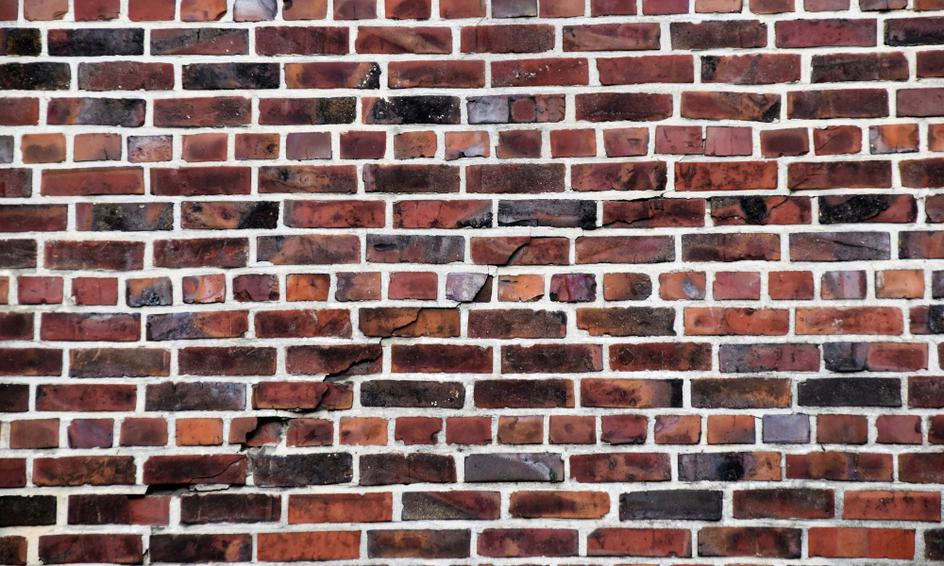
There are several visual signs that may indicate your wall ties are failing. One of the most common is horizontal cracking in the mortar joints between bricks, often appearing at regular intervals. You might also notice bulging or bowing of the external walls, cracks around windows or doors, loose bricks or brickwork that feels unstable when pressed. Rust staining, which is visible as orange or brown marks on the brick surface, can also point to corroding wall ties. Because these signs can be mistaken for other structural issues, it's important to get a professional assessment before making repairs.

If you think that you might have a problem with your wall ties, it’s a good idea to call a builder or structural repair specialist as soon as possible so that you can make an informed choice about your next move before the damage gets worse. Want to know more about how wall ties are repaired or replaced? Follow us on Facebook or X for the next instalment!

Looking for more interiors & decorating advice?

Find clear, practical answers to common interiors & decorating questions, helping homeowners understand everyday issues, know what checks they can carry out safely, and when it is best to contact a qualified professional.

  • What is the difference between a painter and a decorator?

    A painter focuses on applying paint - walls, ceilings, woodwork. A decorator does all of that but also handles wallpaper, specialist finishes, surface prep, and can advise on colours and materials. Many professionals do both and call themselves painters and decorators. For a straightforward repaint, a painter is fine. If you want wallpaper, something specialist, or someone to help you make decisions about the finish, go with a decorator.

  • How many coats of paint does a professional decorator apply?

    For most walls, it's a primer or mist coat, then two topcoats. New plaster, bare surfaces, or a big colour change might need more preparation or extra coats. Cutting corners on coats or using cheap paint are the most common ways to get a finish that looks fine at first and starts showing its age within a year. A trusted decorator always prepares the surface properly and won't rush between coats.

  • How do I prepare my home before a decorator arrives?

    Move furniture away from the walls and take down pictures, mirrors, and anything fixed to the walls. If you can strip old wallpaper yourself beforehand, it'll save time on site. Make sure every part of the room is accessible and well-lit. Talk through surface prep with the decorator in advance - a good one will tell you exactly what they need before they can start.

  • How do I know if my walls need replastering before decorating?

    If there are significant cracks, areas that sound hollow when you tap them, persistent damp, or large patches that are flaking or badly uneven - replastering first will give a much better result. Decorating over problem plaster looks fine initially but every imperfection tends to show through, especially with modern matt paints. A decorator can assess whether full replastering or careful preparation and skim coating will get you where you want to be.

  • What are the most popular interior design styles right now?

    There's been a pretty clear shift away from the all-grey, everything-neutral look of the 2010s. Warmer tones are dominating - clay, terracotta, stone, off-white - with natural materials like linen, rattan, and solid timber replacing high-gloss finishes. Biophilic design (plants, natural light, organic shapes) has gone from trend to standard practice. There's also a real appetite for spaces that feel personal and collected rather than showroom-ready - bold wallpaper, layered textiles, and period features being celebrated rather than painted over.

  • How long does a full home decorating project typically take?

    A single room in good condition typically takes a professional two to three days. A full house - particularly an older property that needs a little more care beforehand - can take several weeks. The part that often catches people off guard is the preparation: stripping wallpaper, filling, sanding, and priming all take a good amount of time, and doing them properly really does make all the difference to the finished result.

Have a question about TrustATrader?

If you have a question in relation to TrustATrader specifically, please check out the TrustATrader FAQs, with separate lists tailored to consumers and tradespeople. Alternatively, get in touch with our team. We're happy to help!