
Spray foam insulation was sold as a “fit and forget” way to improve energy efficiency. In reality, many homeowners are now discovering that it can cause serious headaches for their property, their finances, and their future plans. As a result, spray foam removal has become a rapidly growing specialist service across the UK.
In this guide, we’ll walk through why people are removing spray foam, the risks it can pose, how it’s typically removed, and how to find a trusted professional to do the job safely.
What is spray foam insulation?
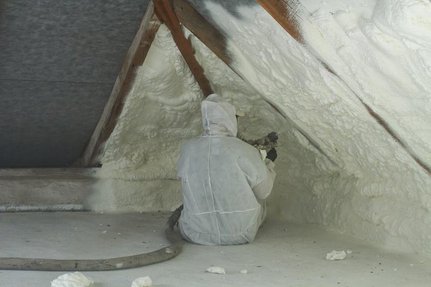
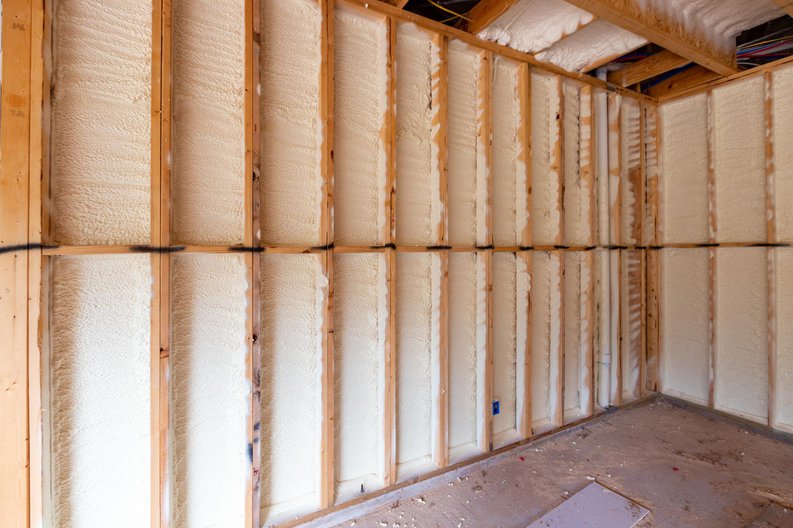
Spray foam is a liquid insulation that expands and hardens once applied. It’s often sprayed directly onto the underside of the roof tiles, or felt in lofts. It can also be applied to rafters, joists and other roof timbers. Or be used in cavity walls, floors or difficult to reach places.
There are two main types:
- Open-cell spray foam – softer and more flexible, often used in lofts and between rafters.
- Closed-cell spray foam – denser and more rigid, with higher insulating value, but more likely to trap moisture if installed incorrectly.
When installed with proper ventilation and in the right situations, spray foam can work well. The problem is that, in many UK homes, it has been applied in ways that don’t suit the building, have not followed manufacturer guidelines, or simply don’t allow the structure to breathe.
Why are people removing spray foam?
There are several reasons homeowners are choosing to have spray foam removed, and they often overlap.
1. Mortgage and remortgage problems
One of the biggest drivers is lender refusal. Many high-street lenders are reluctant to issue mortgages on properties with spray foam on the roof deck, especially where it’s bonded directly to the tiles and rafters. Surveyors frequently flag it as a risk because it can do the following:
- Make it difficult to inspect the condition of the roof timbers
- Potentially trap moisture against the wood
- Complicate future repairs, as tiles and felt may be stuck to hardened foam
As a result, buyers can struggle to secure finance and existing owners can find remortgaging more difficult, unless the spray foam is removed and the roof is reinstated in a more conventional way. Recent consumer advice and press coverage in the UK has specifically warned about the mortgage implications of spray foam insulation.
2. Moisture, damp and condensation risks
Roofs and lofts are designed to breathe. When spray foam is applied incorrectly – especially directly onto the underside of tiles without appropriate ventilation measures, it can contribute to moisture being trapped, hide developing leaks behind the solid layer of foam, increasing the risk of damp, mould and even timber decay. Because the foam covers everything, problems can progress unnoticed until they’re severe.
3. Structural and maintenance concerns
Once cured, spray foam bonds firmly to surfaces. This means that roof repairs can require cutting, or chiselling out hardened foam just so that a trader can access a broken tile or felt. If moisture has been locked against the timber, it might soften, become rotten or weaken the rafters underneath. In some cases, entire sections of roof have needed replacing where foam has masked underlying problems for years.
4. Poor installation or mis-selling
Unfortunately, there can be cases where spray foam as been applied without adequate assessment of the property, or in places with poor ventilation.
If the foam hasn’t been applied according to the manufacturer’s specifications or suitable standards, removal is often the safest way to protect the property.
5. Wanting a more straightforward, future-proof solution
Many homeowners simply prefer to go back to a conventional loft insulation setup. For example, mineral wool or rigid boards laid correctly at joist level, with clear ventilation paths. These approaches are easier to inspect, upgrade and maintain and are more widely understood by surveyors, roofers and lenders alike.
How spray foam can be bad for your property
Spray foam isn’t automatically “bad”, but in many UK homes it’s causing real issues. Some of the main risks include:
Hidden damage to roof timbers
Timbers need to be checked periodically for rot, woodworm, or even cracks and movement.
When they’re completely encased in foam, inspection is extremely difficult. If a small leak develops, water can soak into the wood behind the foam while the visible foam surface still looks sound. By the time any problems appear inside the house, serious structural damage may already have occurred.
Trapped moisture and reduced ventilation
Traditional pitched roofs rely on a combination of airflow at the eaves, ventilation gaps and breathable membranes.
Spray foam applied tightly to the underside of the roof can upset this balance, especially if vents are blocked or the installation spans from ridge to eaves. The result can include;
- Increased condensation in cold weather
- Damp patches or mould in the loft or upper rooms
- Long-term deterioration of roof components.
Complicated, costly roof repairs
If you need to replace tiles, felt or structural members, the presence of spray foam can add extra labour costs due to the additional scraping. It can also increase disposal costs and in the worst case scenarios, sections having to be completely replaced.
All of this often makes even straightforward repairs more complex and expensive.
Impact on property value and saleability
A home that’s difficult (or impossible) to mortgage is harder to sell. Even cash buyers may demand a discount if they know they’ll have to pay for professional spray foam removal and a roof reinstatement as soon as they take ownership.
In other words, keeping spray foam in place can affect both your current comfort and your long-term property value.
Typical spray foam removal methods
Spray foam removal is not as simple as peeling off a layer of insulation. The method used depends on the type of foam and where it has been applied.
Here are the main approaches used.
1. Mechanical removal (scraping and cutting)
The most common method for domestic properties is professional mechanical removal, which usually involves:
- Carefully cutting and scoring the foam into manageable sections
- Using specialist scrapers, tools and sometimes low-vibration equipment to break the bond
- Removing foam in sections to reveal the underlying timbers, tiles or surfaces
- Vacuuming and clearing debris safely
A skilled team works methodically across the roof or affected area, taking care not to damage tiles, felt, membranes or structural elements more than necessary. Many UK specialists highlight mechanical removal as the most practical and controllable method for homes, particularly where lenders and surveyors expect the foam to be completely removed.
2. Dry ice blasting
Some contractors use dry ice blasting (also called CO₂ blasting) to strip away foam. This technique propels tiny pellets of dry ice at high speed onto the foam surface. The extreme cold creates a thermal shock that causes the foam to contract, crack and detach from the substrate in chunks.
Benefits can include:
- Minimal abrasion on sound tiles and timbers
- Reduced manual scraping in certain situations
- No secondary liquid waste (the dry ice itself turns to gas)
However, dry ice blasting:
- Requires specialist equipment and trained operatives
- May not be suitable for every property or foam type
- Is often used alongside hand tools for detailed work and finishing
3. Localised cutting and removal
In some cases, only specific areas of foam might need to be removed, for example, around tough roof sections, to help expose key structural elements and to also reinstate key ventilation pathways.
This still requires care and professional judgement. If the goal is to satisfy a lender or completely remove the risk, they may insist on full removal rather than patchwork interventions.
4. DIY removal – why it’s usually a bad idea
While it might be tempting to tackle spray foam yourself, it’s usually not recommended for several reasons, including:
- Foam often bonds extremely firmly to tiles and timbers – heavy-handed removal can crack tiles or damage structural members.
- Working in lofts and roof spaces is hazardous, particularly when cutting or scraping above head height.
- You may inadvertently create dust and particles that require proper respiratory protection and controlled extraction.
- In older properties, disturbing surrounding materials might raise other risks (for example, if there are legacy materials that require specialist handling).
For most homeowners, professional removal is the safest and most efficient route. Here at TrustATrader, we have fully vetted and trusted tradespeople who can help.
Russel from Remove Sprayfoam LTD says the following:
“ Spray foam insulation has caused widespread issues for many home owners across the UK, particularly those trying to sell or remortgage their properties. We often see people trying to remove it themselves, damaging their property which in turn invalidates their insurance. This will delay the sale of the house, which is why there are professional options out there.”
What to expect during professional spray foam removal
Every property is different, but a typical removal project might involve:
1. Initial survey and assessment
A specialist will inspect the foam, the roof structure and ventilation, discuss your goals (sale, remortgage, or future-proofing), and advise on the best approach.
2. Quotation and scope
Costs are usually based on the size and complexity of the area, the thickness and type of foam, access arrangements and any roof repairs likely to be needed afterwards. Some guides quote typical ranges per square metre, but an on-site assessment is essential for an accurate figure.
3. Preparation and protection
Before work starts, they’ll protect access routes, isolate work areas, and set up dust control measures where needed.
4. Foam removal
Using mechanical methods, dry ice blasting, or a combination, the team will remove as much foam as is necessary to meet surveyor or lender requirements – often all of it from the roof structure.
5. Inspection and reporting
Once the foam is gone, timbers and roof components can be inspected properly. Any issues (rot, leaks, loose tiles) can be identified and quoted for repair.
6. Reinstatement of insulation
Many specialists can also arrange new, breathable insulation and ventilation measures so your loft remains energy efficient without the downsides of encased spray foam.
How to find a professional spray foam removal specialist
Because spray foam removal is such a specialist task, it’s important to choose a contractor with the right experience, equipment and insurance.
When you’re researching companies, it’s worth looking for:
- Clear experience specifically in spray foam removal, not just general roofing or insulation
- Positive independent reviews
- Knowledge of mortgage and surveyor requirements
- Willingness to explain their methods and answer your questions in plain language
- Proper health and safety procedures and waste disposal arrangements
A simple way to get started is to search for vetted spray foam removal specialists on TrustATrader. You can find local, reviewed professionals at:
👉 trustatrader.com/spray-foam-removal
Each trader on TrustATrader has been checked and is regularly reviewed by customers, so you can compare feedback, photos and services before making contact.
Key takeaways (TLDR)
- Spray foam insulation has caused problems for many homeowners, especially where it’s been applied directly to roof structures without appropriate ventilation.
- Common issues include mortgage refusals, hidden damp, timber decay, and complex roof repairs.
- Professional removal methods, particularly mechanical removal and dry ice blasting, are designed to strip foam safely while protecting the underlying structure.
- DIY removal is risky and rarely cost-effective once you factor in safety, time and potential damage.
- If you’re concerned about spray foam in your property, speaking to an experienced, vetted contractor is the safest first step, and you can find one through TrustATrader.com.
Removing spray foam can feel like a major decision, but for many homeowners it’s the route to restoring peace of mind, protecting the fabric of the building, and keeping future mortgage and sale options open.