Few things worry homeowners more than spotting a damp patch spreading across the ceiling. Not only is it unsightly, but if left untreated it can lead to mould, structural damage, and expensive repairs. Identifying the cause early and knowing when to take action yourself, and when to bring in a professional, can save you time, money, and stress.
Common causes of ceiling damp
Roof leaks - in the UK’s wet climate, damaged tiles, cracked flashing, or blocked gutters are common causes of water making its way through the roof and into ceilings.
Plumbing - leaks from pipes or bathroom fittings above the ceiling can quickly result in damp patches. A slow drip from a bath waste pipe or a leaking shower seal often goes unnoticed until the damage appears below.
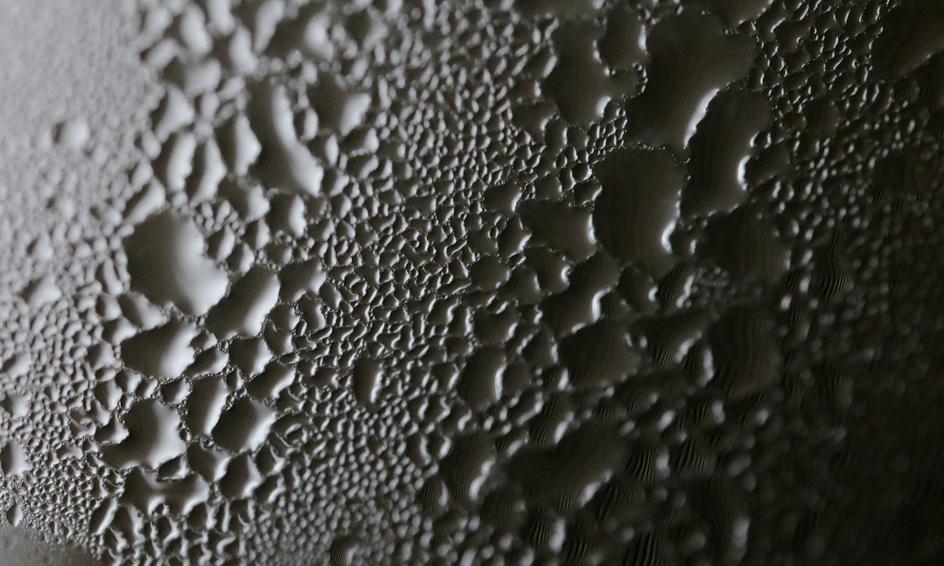
Condensation - in rooms such as kitchens or bathrooms, poor ventilation can lead to excess condensation. Over time, this moisture collects on cold surfaces like ceilings, causing damp spots and mould.
Flat roof leaks - flat roofs are more prone to pooling water and drainage issues. Small cracks in the felt or membrane can allow water to seep through and cause ceiling staining.
Simple fixes
If the damp patch is minor and the source of the moisture is obvious, there are some steps you can take:
- Clear gutters and downpipes: blocked gutters often cause rainwater to overflow into walls and ceilings. A quick clean-out can resolve the issue.
- Check for missing tiles: from ground level, perhaps with binoculars, look for slipped or broken roof tiles. If it’s a small area and you’re confident with DIY, replacing a tile may solve the problem.
- Improve ventilation: for condensation-related damp, install or upgrade extractor fans in bathrooms and kitchens, and use a dehumidifier to reduce moisture in the air.
- Seal bathroom fittings: resealing around baths, showers, and sinks with silicone can stop water escaping into ceilings below.
Once the source is fixed and the area is dry, you may need to treat stained plaster with a stain-blocking primer before redecorating.
When to call a professional
If you’re in any doubt about working at height, it’s best to consult a roofer straight away. Even if you’re confident up a ladder, some damp problems are beyond the scope of a DIY fix. You should call in a professional if:
- The damp patch is large or spreading quickly.
- You can’t identify the source of the leak.
- The issue involves flat roof damage or major roofing work.
- There are signs of mould growth that could pose health risks.
- Plumbing repairs require work on hidden or complex pipework.
Roofers, plumbers, and damp specialists have the expertise and equipment to find the root cause and carry out repairs safely.
Don’t be tempted to ignore that damp patch; it won’t go away! Acting quickly is the key, and the sooner you deal with the cause, the less damage it will do to your home. For more tips, follow us on Facebook or X.