Composting is one of the simplest things you can do to reduce waste and turn kitchen and garden leftovers into nutrient‑rich soil for your plants. Whether you’re starting a compost heap for the first time or brushing up on what goes in and what doesn’t, understanding the basics will help you avoid problems like bad smells or pests.
What You Can Compost
Compost thrives when you feed it natural, plant‑based materials. These break down into rich compost that can be spread around borders, beds and containers.
Green Waste (Nitrogen‑Rich)
Green materials are soft and moist, and they help fuel the composting process:
- Grass clippings
- Flowers (as long as they’re not diseased)
- Nettles — they decompose well and speed things up
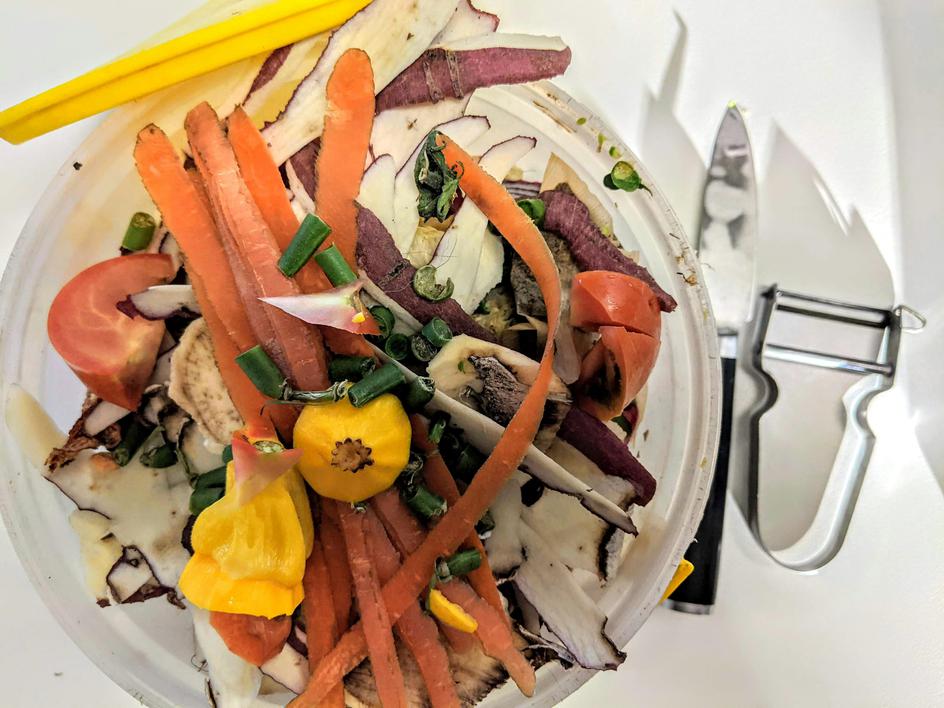
- Vegetable and fruit peelings
- Uncooked, spoiled fruit and veg
- Young weeds that haven’t gone to seed
- Manure from herbivores such as rabbits, horses or cows
- Tea leaves (the bags may take longer to break down)
These materials are rich in nitrogen and break down quickly, giving your compost a much‑needed boost.
Brown Waste (Carbon‑Rich)
Brown materials decompose more slowly and add valuable carbon to your heap:
- Coffee grounds
- Dead leaves
- Cardboard torn into small pieces
- Twigs and hedge clippings
- Sawdust and bedding from vegetarian pets (trustatrader.com)
Balancing green and brown materials is key to successful composting - aim for a good mix rather than just one or the other.
Some Surprising Things You Can Compost
A few items people often overlook can go into your compost too, as long as they’re added in moderation:
- Wood ash, in small amounts
- Hair from humans or animals
- Clean eggshells that have been washed and crushed
- Wool and cotton fibres, cut into small pieces
- Tumble dryer lint and vacuum contents (as long as it doesn't contain any plastics or small toys!)
These can help add nutrients or improve structure in your compost, but they should be mixed well with other materials.
What You Should Not Compost
Some things should be kept out of your garden compost because they attract pests, create odours or simply do not break down properly:
- Cooked or raw meat and fish - these can attract rats and other animals
- Dog and cat faeces, including cat litter
- Glossy magazines, flyers or coated paper - they contain chemicals and won’t decompose properly
- Barbecue coals and ash - these often contain substances that are harmful to soil life
Keeping these out of your heap will help your compost stay healthy and ready to use.
Tips for Successful Composting
A few simple habits will improve your compost heap and help it break down smoothly:
- Mix green and brown materials to keep the decomposition balanced
- Turn your heap now and then to let air in and speed up decay
- Keep it moist like a wrung-out sponge - not too wet and never bone dry
Need Help with Garden Waste?
If you’re not sure what to compost or need help managing garden waste or your outdoor space more broadly, check out our Garden Maintenance page to find a local expert who can help with composting, pruning and general upkeep.