Wall ties are one of those hidden but essential components in a building's structure. You can’t see them, but they play a vital role in keeping your home or property safe and stable. If you've noticed cracking or bulging brickwork, or you're buying an older property, understanding wall ties could save you from costly repairs.
In this blog, we’ll cover some of the most common questions about wall ties. We’ll explain what wall ties are, when they’re used, how they fail, and when it’s time to call in a specialist.
What are wall ties?
Wall ties, also known as cavity wall ties, are metal components built into the mortar joints of cavity walls. Their job is to connect the outer and inner walls, often referred to as leaves, of a cavity wall so they work together as one solid structure. Without them, the two walls could move independently; this can lead to serious problems such as bowing, cracking or even structural failure.
When are wall ties used?
Wall ties are standard in cavity wall construction, a technique that has been widely used in the UK since the 1920s. Most homes built from the 1930s onwards include cavity walls, which means they will almost certainly have wall ties built in. They are also used in new builds, extensions added to older properties and even in timber-frame homes, though the tie system for timber construction differs slightly.
What happens when wall ties fail?
Over time, wall ties can corrode, especially if they are made of mild steel and not properly protected. When these metal ties begin to rust, they expand. This expansion creates pressure on the surrounding brickwork, which can lead to horizontal cracks and other signs of structural stress.
Common reasons for failure include corrosion caused by age and moisture; poor installation practices such as incorrect spacing; the use of low-quality materials; building movement or settlement; and inadequate protection from mortar or damp.
Signs of wall tie failure
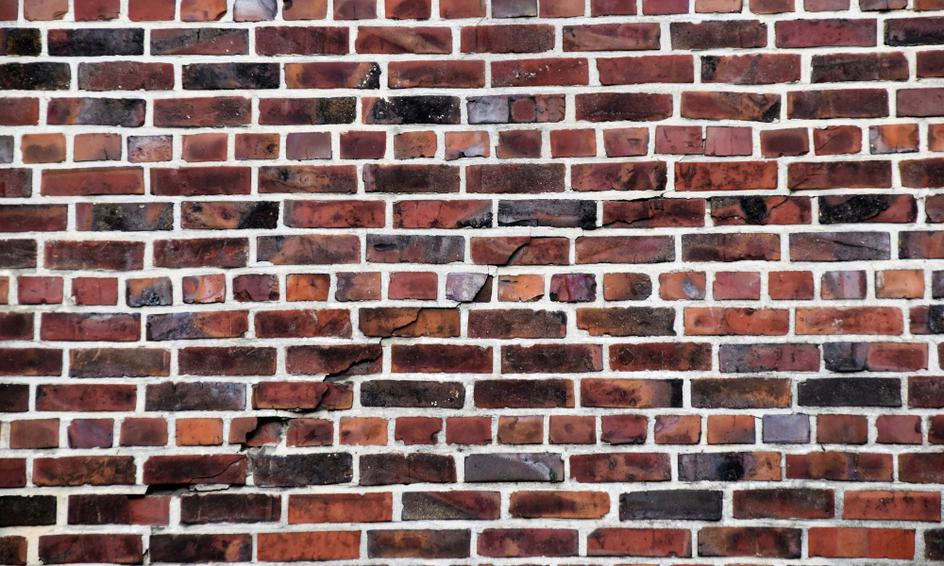
There are several visual signs that may indicate your wall ties are failing. One of the most common is horizontal cracking in the mortar joints between bricks, often appearing at regular intervals. You might also notice bulging or bowing of the external walls, cracks around windows or doors, loose bricks or brickwork that feels unstable when pressed. Rust staining, which is visible as orange or brown marks on the brick surface, can also point to corroding wall ties. Because these signs can be mistaken for other structural issues, it's important to get a professional assessment before making repairs.
If you think that you might have a problem with your wall ties, it’s a good idea to call a builder or structural repair specialist as soon as possible so that you can make an informed choice about your next move before the damage gets worse. Want to know more about how wall ties are repaired or replaced? Follow us on Facebook or X for the next instalment!